Pink Flowers: A Designer's Honest Review
Last week I was prepping a custom tote bag order for a local boutique. The client wanted something feminine but not fussy, something that felt handmade without looking unfinished. I pulled up Pink Flowers from the Bouquets Bunches category and stitched a test run on cotton canvas. Right away I knew this machine embroidery design had potential for real project use. After running it through several fabrics, hoop sizes, and product mockups, I want to share what works, where it shines, and where you should approach with care.
First Stitch Impressions
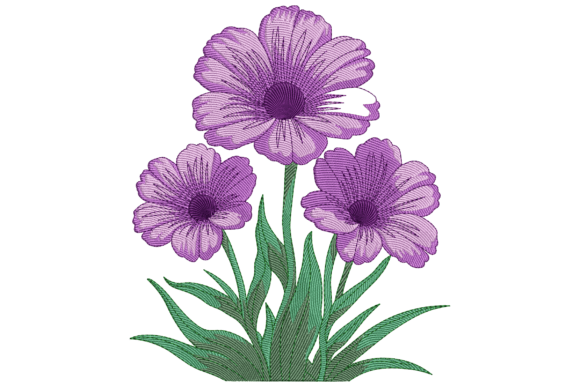
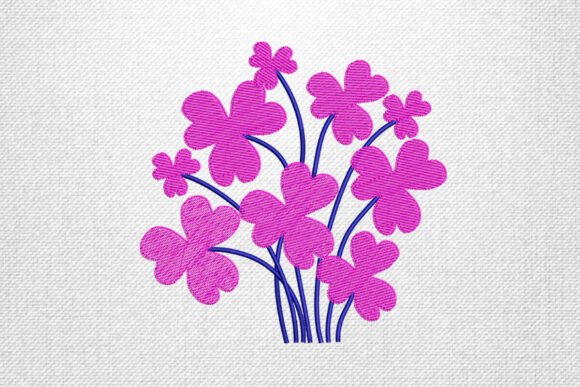
The overall shape of Pink Flowers carries a light, airy feel. It reads as cheerful but not childish, which gives it flexibility across different product types. The flower layout spreads naturally without crowding the center, and the petals use a clean satin stitch that holds its shape well. What stood out to me immediately was the balance between detail and readability. On a sweatshirt embroidery test, the design kept its clarity even at a distance. That matters a lot when you are stitching for custom apparel or personalized gifts that need to look good both on a screen and in person.
The mood of this embroidery file leans toward soft and playful, but it avoids being too cutesy for adult projects. I could see it working on a baby embroidery onesie just as easily as on a kitchen towel for a housewarming gift. The visual personality feels approachable, which helps when you are building a handmade product line that needs broad customer appeal.
Performance Across Real Projects
I tested Pink Flowers on five different bases: a cotton tote bag design, a polyester blend sweatshirt, a linen pillow cover, a cotton apron, and a denim jacket. Here is how it performed:
- Cotton tote bag: The design stitched cleanly with minimal puckering. Using a medium-weight stabilizer kept the fabric stable. The fill stitch areas laid flat and did not distort the weave.
- Sweatshirt: On fleece, the design held its shape well. I recommend a cutaway stabilizer here to prevent the stitch density from sinking into the nap.
- Linen pillow cover: Linen has an open weave, so I used a water-soluble topping. The satin stitch petals stayed crisp without sinking between threads.
- Cotton apron: This was a smooth stitch-out. The design sat well on the front panel and did not interfere with the fabric drape.
- Denim jacket: Denim handled the embroidery project without issue, though I would note that thick seams nearby could cause hoop tension problems if you place the design too close to a pocket or collar.
For commercial embroidery work, consistency across different fabric types is critical. Pink Flowers delivered reliable results in every test, which is exactly what I look for when planning production runs for a craft business or Etsy seller inventory.
Where to Use This Design with Confidence
This machine embroidery design fits naturally into several product categories. Based on my testing, here are the best applications:
- Custom apparel: T-shirts, sweatshirts, and denim jackets. The design size works well on chest or sleeve placements.
- Home decor: Pillow covers, tea towels, and nursery decor. The soft theme complements modern farmhouse and cottage aesthetics.
- Accessories: Embroidered patch projects, tote bags, and caps. On structured fabrics the design holds its shape nicely.
- Gifts: Holiday embroidery items, wedding gifts, and personalized gifts for friends and family. The universal floral theme appeals across age groups.
- Small shop merchandise: If you sell at craft fairs or run a boutique, this design adds a professional touch to your handmade product line without requiring hours of digitizing work.
For digital product sellers, Pink Flowers works well in printable mockup listings and design assets bundles. The clean lines photograph well, and the floral theme is consistently popular in the embroidery community.
Where to Approach with Care
No design works everywhere, and honest evaluation matters for maintaining customer trust. Here are the scenarios where I would use Pink Flowers carefully:
- Small hoop sizes: If you are working with a mini hoop or very compact placement, check the hoop size requirements first. The design has enough spread that squeezing it into a tiny area might compress the petals and lose the airy feel.
- Stretchy fabrics: Lightweight knits and jersey need extra stabilization. The fill stitch areas have moderate stitch density, which can cause tunneling on unstable fabric if you skip the proper stabilizer.
- Dark fabrics: The thread colors in Pink Flowers are light and pastel. On black or deep navy, the contrast is lovely, but check your thread color choices carefully. A soft pink on dark fabric reads differently than on white.
- Curved surfaces like caps: The design has a rounded layout, but cap hooping adds tension. Test on a curved surface before committing to a bulk order of custom caps.
- Frequent wash items: For baby clothes or kitchen towels that see heavy washing, use high-quality thread and a dense enough running stitch in the underlay to prevent pull. A good stabilizer choice here is essential.
Visual Appeal and Product Value
In my experience, Pink Flowers elevates the perceived value of any finished product it is stitched on. The floral motif feels intentional and finished rather than like a quick fill. When I showed the stitched tote bag to a few fellow Etsy sellers, their first comment was about how professional the stitching looked. That kind of reaction translates directly into buyer engagement and willingness to pay a higher price point.
For small business owners, this design supports brand consistency across product lines. If you offer custom apparel and home goods both, using the same embroidery file across categories creates a cohesive shop feel. Customers recognize the aesthetic and associate it with quality handmade product work.
The giftability of items stitched with Pink Flowers is strong. A floral design on a towel or a pillow cover reads as thoughtful without being overly personal, which makes it easy to stock as ready-made gifts in a craft business inventory. When I tested it on a linen apron for a housewarming gift, the recipient assumed it was from a boutique, not handmade by a friend. That kind of reaction is exactly what small shop owners want from their design assets.
Practical Designer Notes Before You Stitch
Before you load this digital embroidery file into your machine and start production, here are the checks I run on every new design, including Pink Flowers:
- Test on scrap fabric first. Always stitch a sample on fabric similar to your final product. Check for thread breaks, gaps, and overall stitching clarity.
- Review thread color contrast. The design uses multiple pink tones. On white or light fabrics, the subtlety shows well. On dark backgrounds, you may need to swap some shades for more saturated or lighter tones to maintain visibility.
- Confirm stitch density. Dense areas need proper stabilizer. For fill stitch sections, I recommend a medium-weight cutaway stabilizer for woven fabrics and a tearaway for stable knits.
- Check hoop size requirements. Verify that your hoop can accommodate the full design without distortion. If in doubt, measure the design dimensions before hooping.
- Inspect small details. Look at the petal tips and any narrow sections. Make sure the satin stitch columns are wide enough to avoid fraying during commercial embroidery production.
- Test in black and white mockups. Print a grayscale version of the design to check how it reads without color. This helps identify areas where density or shape might cause visual confusion.
- Compare light and dark fabric backgrounds. Stitch one sample on white and one on black. Note how the design changes and adjust your stabilizer or thread choices accordingly.
- Confirm licensing. Before selling finished product items or distributing the design as part of a digital product bundle, verify the usage terms. Most embroidery file sellers have clear policies, but it is your responsibility to check.
Final Thoughts on Pink Flowers for Real Projects
After spending time with Pink Flowers across multiple fabric types and product formats, I can say this is a design that delivers on its promise. It brings a fun, whimsical touch to machine embroidery work without sacrificing professionalism. For embroidery designers and small business owners who need reliable, attractive floral options for their embroidered patch projects, custom apparel lines, or holiday embroidery inventory, this design belongs in your library.
The Bouquets Bunches category often includes designs that are either too dense or too sparse. Pink Flowers hits a comfortable middle ground. It works for quick one-off personalized gifts and for production runs of small shop merchandise alike. If you are an apparel decorator or a creative entrepreneur building a product catalog, testing this design on your own equipment will likely confirm what my tests showed: it sews cleanly, reads well, and adds real value to your handmade product offerings.
As always, test before you trust. But if you are looking for a floral machine embroidery design that works across tote bag design, sweatshirt embroidery, baby embroidery, and home decor, Pink Flowers is worth the hoop time.