Spring Fence and Flowers Embroidery File: A Designer's Review
First Glance: A Garden Gate to Cottagecore Sales
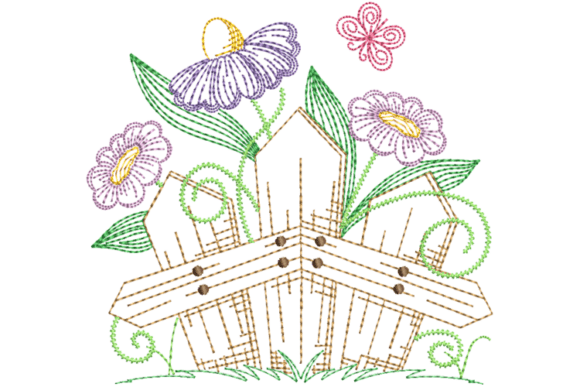
When I unzipped the folder and first previewed the Spring Fence and Flowers Embroidery File, I instantly pictured a sunny Saturday morning at a bustling craft fair. The design strikes that perfect balance between rustic farmhouse charm and delicate whimsy. It is not a loud, in‑your‑face graphic; it feels curated, soft, and very intentional. A slightly weathered slatted fence acts as the anchor, while stitched blooms, airy leaves, and curling vines climb across it. There is an undeniable garden gate nostalgia here that stops shoppers mid‑stride. In a booth full of monogrammed totes, this piece whispers, "Look closer." And they always do.
As a designer who stocks a handmade‑product table every season, I evaluate every machine embroidery design by one rule: Will this make a customer reach out and touch it? The Spring Fence and Flowers Embroidery File passes that test brilliantly. The composition is strong enough to carry a front‑and‑center placement on a tote bag, yet the individual floral clusters and vine details are so charming that even a small patch version would stop a browser. There is a lived‑in, heirloom quality to the fence’s slatted texture that reads as "expensive country boutique" rather than "mass‑produced." For a craft fair seller, that perceived value is everything.
The Product Sweet Spot: Where This Design Belongs
Not every embroidery file spreads itself across a product line gracefully. Some designs fight the fabric, some shrink into a blur, and others simply feel mismatched. The Spring Fence and Flowers Embroidery File, however, sits comfortably inside the Bouquets Bunches family because it behaves like a versatile floral arrangement—equally at home on a crisp kitchen linen as it is on a soft canvas pouch.
After testing on multiple blanks, here is exactly where I would place this file to maximize booth revenue:
- Tea towels and apron embroidery. If you sell in a farmers’ market or maker’s fair, the fence‑and‑flower motif feels native to kitchen textiles. One corner placement on a flour‑sack tea towel is enough to turn a $6 blank into a $24 impulse buy. On a half apron, it gives a front‑and‑center focal point without overwhelming the wearer.
- Tote bag design. A natural canvas tote becomes a walking advertisement for your booth. Center the design and use thread colors pulled from nature—dusty sage leaves, faded denim‑blue flowers, warm bark browns. The texture of the stitched fence stands out beautifully on a flat‑weave tote, catching light and shadows that printed bags simply cannot replicate.
- Pillow covers and home décor. If handmade products are your niche, a 16x16‑inch envelope pillow cover with this design stitched slightly off‑center turns a plain cushion into a porch‑ready accent. Pair it with a ticking stripe fabric or a soft linen blend for an effortless farmhouse feel.
- Embroidered patch and small pouches. A reduced version of the design—stitched as a compact patch on a zip pouch, a makeup bag, or even a bookmark—creates a low‑cost, high‑volume add‑on item. Shoppers who cannot commit to a large tote will gladly grab a little pouch for $12.
- Market bags and garden totes. The gardening theme makes this file a natural fit on reusable produce bags or a sturdy gardener’s tote. It speaks directly to plant lovers, and that niche customer often buys multiples.
Practical Production: What The Machine Needs You To Know
In my embroidery studio, excitement about a design must be quickly followed by a dose of practicality. The Spring Fence and Flowers Embroidery File is intricately layered, which means stitch density becomes a real conversation—especially if you plan to run it repeatedly for batch production.
First, pay close attention to the fence details. Those vertical slats and the subtle wood‑grain lines rely on tight satin stitches and short running‑stitch accents. On a stable medium‑weight cotton, the results are crisp. On a textured towel or a loosely woven linen, however, you will lose definition. I always recommend a medium‑weight cutaway stabilizer for anything that will be washed often, and a wash‑away topping if you are stitching on terry or fluffy fabric. The tiny flower centers and thin curly vines are beautiful but fragile at very small sizes. If you scale the design below a 3‑inch width, test first on your exact fabric and stabilizer combination; some of those delicate loops may not register cleanly.
Here are my non‑negotiable production checks before I ever stitch a single finished product for my booth inventory:
- Thread contrast test. The design’s magic lies in the contrast between the rough fence and the soft flowers. Choose matte polyester or rayon threads that separate these elements visually. On a dark fabric like charcoal canvas or navy, the fence may recede too much unless you lighten the wood tones.
- Hoop size and placement. Always confirm the default hoop size of the digital embroidery file you purchased. Many sellers include multiple sizes; know the exact dimensions before hooping a limited‑edition tote blank.
- Stitch density review. If your machine’s screen shows an unusually high stitch count in a small area, pause and consider whether the fabric underneath will pucker. The floral clusters in this embroidery file can be dense; a heavier fabric handles that beautifully, but a thin cotton lawn might ripple without extra stabilizer.
- Stabilizer pairing. For curved surfaces like caps, a firm tear‑away stabilizer and careful hooping are essential. The fence is somewhat linear, and on a curved cap profile, it can distort if you do not float the cap correctly. Test on an old cap first.
- Small lettering – none present, thankfully. Some designs sneak in “garden” or “bloom” in tiny script. This file appears to rely purely on imagery, which eliminates one huge salesfloor headache. No smudgy small text means the design scales more reliably.
How The Design Sells Before You Say A Word
At a weekend craft fair, your booth competes with noise, motion, and a dozen other stalls. A product that reads clearly from six feet away wins the battle for attention. The Spring Fence and Flowers Embroidery File has a silhouette that is instantly recognizable: a horizontal, grounded composition that the eye naturally follows left‑to‑right. Hung on a wall peg or laid flat on a table, the design’s shape is bold enough to pull someone closer, yet the details reward that closer look.
For your Etsy seller photography, this is a gift. The file stitches up as a highly photogenic finished product. Lay a completed tea towel flat on a reclaimed wood table with a sprig of real lavender, and you have a listing image that feels editorial. I have learned that handmade product shoppers buy a feeling as much as an object, and this design evokes tidy cottage mornings, dew on fence posts, and the joy of a sun‑warmed garden. If you create a simple printable mockup or photograph a real stitched sample in natural light, you will attract clicks from people who want that lifestyle.
Small‑Scale Hurdles And How To Clear Them
Even a charming machine embroidery design has moments where it needs a careful hand. The primary caution with the Spring Fence and Flowers Embroidery File lies in the interplay between the dense fence sections and the more open vine areas. If you are using a lightweight thread or an over‑stretched hoop, you might notice slight pulling between the two densities. A thorough test stitch on the exact fabric you plan to sell immediately reveals any tension adjustments needed.
Another practical note: dark‑colored fabrics like black denim or deep olive can swallow the darker fence tones. In those cases, I intentionally swap the fence thread color for a weathered gray or driftwood shade so the texture still reads clearly. Thread color changes are part of any experienced embroiderer’s workflow, and this file invites those small creative tweaks without breaking the design’s soul.
Also, because of the whimsical curled vines, this is one file I do not stitch at a reduced size on high‑pile towels unless I want a soft, almost stamped look. For crisp definition on a tea towel, I usually set the design at its intended medium or large size and use a water‑soluble topping. The result is clean enough to sell at a premium.
Building A Booth Story Around One Design
When I find a digital asset like Spring Fence and Flowers Embroidery File, I don’t just stitch it once. I build a small mini‑collection around its mood. For a craft fair, a cohesive display sells far more than a random assortment. This design works beautifully next to other nature‑inspired pieces: bee motifs, herb labels, wildflower clusters. The Bouquets Bunches category gives you a natural family. Group a set of kitchen linens with this design stitched in harmonious thread palettes—perhaps one in soft lavender and sage, another in sunny yellow and warm wood—and you instantly create a perceived product line. Shoppers will often buy two or three items to "finish the set." This multiplier effect is pure profit for a small shop owner.
Beyond the booth, the commercial embroidery potential is also worth noting. If your business includes selling finished items wholesale or through your website, this design’s universal appeal makes it a safe choice for gift‑focused seasons. Mother’s Day, spring open houses, and even bridal shower favors could all carry this motif beautifully.
What Every Maker Must Check Before Production Day
Since I cannot guess the exact stitch count, file formats, or hoop size ranges included in your purchase, I strongly advise every digital embroidery file buyer to do the following before committing to a full production run:
- Open the file in your embroidery software and note the stitch count, number of color changes, and stopping points. This helps you estimate thread usage and time per hooping.
- Confirm the included formats. Make sure your machine’s native format (PES, DST, EXP, JEF, etc.) is present. The product listing should list them clearly.
- Check for commercial licensing. If you plan to sell finished items at a craft fair, in an online boutique, or through a shop, verify that the license permits commercial use. Some files come with a personal‑use‑only clause, and you never want to assume.
- Stitch a full test sample on your chosen fabric and stabilizer. Photograph it, note any density adjustments, and confirm that the design looks the way you want before you duplicate it across ten tote blanks.
- Create at least one real mockup for your Etsy seller or social media shop. A cell‑phone photo of a finished piece in natural light often outperforms a digital mockup because buyers trust real stitches.
Why This File Earns A Permanent Spot In My Craft Fair Rotation
After twenty minutes of test stitching and a full morning of building products around the Spring Fence and Flowers Embroidery File, I knew this was not a one‑season wonder. It’s the kind of design that becomes a signature piece for a boutique maker. Its garden charm appeals across age groups—grandmothers adore the fence’s vintage feel; younger shoppers see the whimsical flowers and think “cottagecore.” It photographs like a dream for online listings, and it handles repeated washing without losing the stitch definition that customers expect from a handmade product.
For the craft fair business owner who needs reliable, repeatable, and emotionally warm inventory, this embroidery file checks all the right boxes. It is flexible enough to live on a cap, a pouch, or a pillow, yet distinct enough that someone will spot it from across the market and walk directly to your table. Pair it with the right stabilizer, a thoughtful thread palette, and a well‑lit display, and you have a product that sells as easily as fresh‑cut flowers in spring.
Test it, tweak the thread colors to match your brand, and let the Spring Fence and Flowers Embroidery File bring that gentle, garden‑gate magic to your next craft fair booth.