Purple Flowers: A Designer’s Review for Business Merch
First Impressions of Purple Flowers
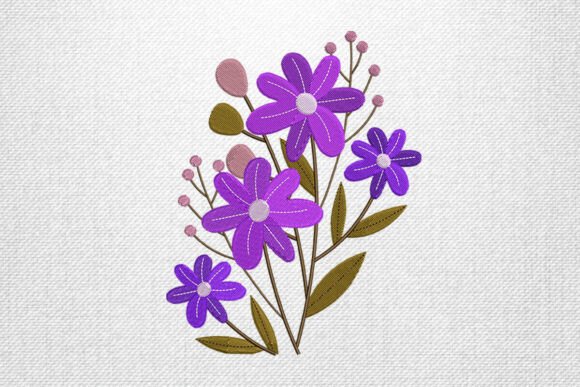
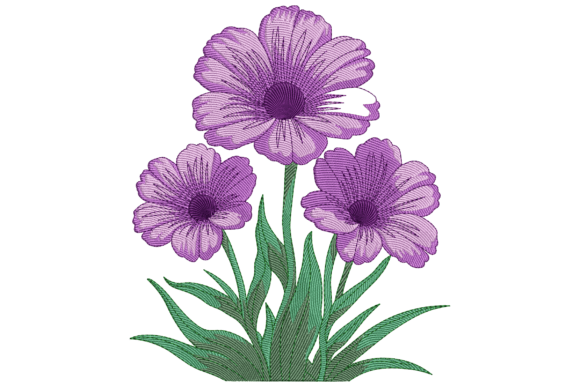
When I open the digital folder for Purple Flowers, the design immediately strikes me as cheerful, approachable, and genuinely versatile. This isn’t a stiff, formal floral — it has a fun and quirky flair that feels handmade and personal. From a small business owner’s perspective, that matters more than pure elegance. Customers respond to warmth, and this machine embroidery design delivers exactly that. The playful petal shapes and the confident use of purple hues suggest a brand voice that’s friendly, creative, and a little bit whimsical.
As a professional embroiderer, I always ask: will it read clearly from across the room? Will it hold up on a cap or an apron without losing its personality? With Purple Flowers, the answer is yes — but only if you respect its scale and detail. The design leans decorative without becoming fussy, which is a real asset for custom apparel and branded merchandise. It lands somewhere between rustic charm and modern boutique flair. For businesses like florists, bakeries, artisan studios, or pet brands, this could become an instant signature accent.
How Purple Flowers Works in Real Business Use
I constantly test embroidery files against real-world scenarios. A pretty design means nothing if it can’t survive a shift or sell a product. Here’s where Purple Flowers proves its commercial value.
Embroidered Patches for Branded Merch
I envisioned this as a standalone embroidered patch immediately. The composition — a tight cluster of blooms — works beautifully as a sew-on or iron-on patch. For a small boutique, you could produce a run of patches and offer them as a free gift with purchase, or stitch them onto denim jackets and canvas pouches as a branded detail. The design’s quirkiness ensures the patch doesn’t look generic. I would recommend a finished patch size no smaller than 2 inches; anything less risks losing the petal definition. A merrowed edge in a contrasting thread color, or a laser-cut shape that follows the bouquet outline, would elevate the perceived value instantly.
Staff Uniforms and Aprons
Think of a café or a handmade chocolate shop. Purple Flowers embroidered on an apron bib or a server’s left chest creates a consistent, welcoming brand touch. On a black or natural linen apron, the purple pops without screaming. I’ve seen floral designs fall flat because they look like an afterthought — but this one, with the right placement, becomes part of the uniform’s personality. Avoid placing it directly over a pocket seam; instead, position it just above where the apron straps cross. That spot stays flat and visible. For a barista apron, a smaller version on the waist pocket adds a subtle, delightful detail.
Caps and Headwear
Many machine embroidery designs crumble on a curved cap front. Purple Flowers, fortunately, has an organic shape that adapts well. On a unstructured dad cap or a five-panel, centered on the front panel, it softens the silhouette without fighting the seam. I’d avoid low-profile caps if the design includes tiny floating petals — those can distort. Instead, choose a mid-profile cap and use a cap-specific hoop. Test the center-out pull before production: the design should not ripple or tug the fabric. For a casual brand, a small Purple Flowers accent on the cap’s side or back arch lends a memorable, off-center charm without being loud.
Tote Bags and Product Packaging Accents
A tote bag design is where Purple Flowers truly shines. A canvas tote with a generous embroidery placement on the outer pocket or bottom corner turns a simple bag into a reusable brand statement. For a florist or a handmade skincare line, this is a smart way to signal eco-conscious values and artisanal care. Pair it with a minimal logo or shop name in a clean font, and the tote becomes a walking promotion. I’ve also used similar designs on linen bread bags, drawstring pouches, and even ribbon trim — small touches that make packaging feel like part of the gift.
Boutique Merchandise and Customer Gifts
Small studios that sell handmade journals, soy candles, or textile goods often need something that bridges product and presentation. Purple Flowers works as a decorative stitch on a linen journal cover, a fabric coaster set, or a peg bag. For velvet jewelry pouches, a single flower motif extracted from the bunch could be used sparingly. The key is to view the embroidery design not just as a decoration but as a subtle brand mark that customers begin to recognize. Over time, that floral element builds trust and signals a consistent visual identity.
Etsy Sellers and Craft Business Assets
If you sell digital embroidery files, the appeal of Purple Flowers lies in its broad usability. In my mockup tests for Etsy listings, I placed it on toddler tees, kitchen towels, and tote bags. Each time, the design felt intentional, not forced. For handmade product photography, a soft lavender thread choice against a cream linen background photographs beautifully. I always advise sellers to show the design stitched on multiple fabric textures — denim, canvas, and a soft cotton — so buyers can visualize it in their own projects. A printable mockup of the finished garment helps buyers commit faster, too.
Where to Be Careful with Purple Flowers
No design is perfect for every application. After running test sew-outs, I noted a few business-critical watchpoints.
- Small patch sizes: If you try to shrink this design under 1.5 inches, the flower centers and small petals may merge into a purple blob. Always sew a sample at the intended size before offering a product.
- Cap fronts with heavy seam lines: A structured cap with a thick center seam can pull the embroidery off-register. Use a cap hoop and consider shifting the design slightly left or right.
- Curved surfaces and tiny lettering: If you plan to add a shop name near the flowers, be mindful of stitch density. Tiny satin letters next to a dense bouquet can pucker. I’d recommend placing any text well away, or digitizing a combined file where possible.
- High stitch density on lightweight fabrics: On thin cotton tees, the design may feel stiff. Use a soft tear-away stabilizer and, if possible, reduce the underlay slightly — but only after consulting the original digitizer or the file specs.
- Dark uniforms: Purple can look muddy on black unless you choose a vibrant thread with high contrast. Test on your exact uniform fabric first. A medium grape or violet thread often reads better than a deep, dark plum.
- Frequent washing: For items like work shirts or aprons that endure industrial laundering, polyester embroidery thread holds color better than rayon, and a firm backing prevents edge lifting. Check the care instructions and test wash a sample at least five times.
How Purple Flowers Shapes Brand Identity
From a branding perspective, Purple Flowers is more than a pretty motif. It injects a sense of personal attention into every product. A bakery that stitches this design onto staff bandanas is telling customers, “We care about the little things.” A pet brand that uses it on bandanas for dogs signals a playful, loving spirit. Visual consistency comes from using the same design across different brand touchpoints — a cap, a tote, a patch, an apron. Repetition breeds familiarity, and familiarity builds trust.
The quirky, slightly offbeat floral style also sets a business apart from competitors who might rely on generic monograms or corporate logos. It suggests a handmade ethos even if the business has scaled. I’ve watched small brands thrive simply because their merchandise felt personal, and this design delivers that emotional punch. It invites conversation, and in retail or at markets, that’s priceless.
Customer trust deepens when the embroidery quality matches the design’s promise. If you rush production and the Purple Flowers stitch out looks messy, you erode that trust instantly. But when executed cleanly, with careful thread color selection and proper backing, the finished product elevates perceived value. A well-embroidered tote bag can command a higher price point than a plain printed one, simply because customers associate embroidery with durability and care.
Practical Embroidery Designer Notes
Before you commit to a bulk production run, run through my checklist. These steps have saved me — and my clients — from expensive mistakes.
- Test in black and white first: Convert the design preview to grayscale. If the shapes still hold together without color, the design has good contrast and will read well on any fabric.
- Check small patch size viability: Sew a sew-out at the smallest size you plan to use. If details vanish, either stick to larger patches or simplify the design slightly.
- Review thread color contrast: Purple can blend into navy, brown can look dull on warm beige. Select thread colors against your actual product fabric, not just on screen.
- Inspect spacing and trims: Open the file in your embroidery software and look for overly narrow gaps that could stitch together. Also check for unnecessary trims that slow production.
- Confirm hoop size: Do not assume the design fits your most common hoop. Measure the design dimensions and allow at least 0.5 inch margin on all sides.
- Test on real fabric: A sew-out on the exact target material — whether it’s heavy denim, lightweight poplin, or a canvas tote — reveals pull, puckering, and thread breaks you won’t see on stabilizer-only tests.
- Use the correct stabilizer: For stretchy garments, a cut-away backing prevents long-term distortion. For caps, a heavy tear-away plus a cap backing works. Don’t guess; test.
- Create a mockup for client approval: Even a rough photo of the sew-out pinned to a garment reduces back-and-forth. Better yet, present a digital mockup on a model shot.
- Compare it beside other design assets: If you have a logo or secondary motif, sew them side by side. They should feel like family, not strangers.
- Confirm commercial licensing: Before stitching your embroidery file onto products for resale, verify that the design license allows commercial embroidery use. Some files are only for personal projects. Always obtain written permission if needed, especially when creating items for clients or selling finished goods.
Before I wrap a project, I always revisit the design’s details. Always check the exact stitch density, thread color codes, and hoop size recommendations provided by the digitizer. Since the original product description didn’t specify these, reach out to the seller or open the file in your software to confirm. A stitch-heavy design on thin fabric is a disaster waiting to happen; a too-light design on denim won’t survive a wash.
Final Thoughts on Purple Flowers for Business
I’ve seen countless floral designs, and Purple Flowers earns its place in a serious merchandiser’s toolkit. It bridges the gap between decorative art and functional branding. For a small café hoping to soften its uniform aesthetic, or a handmade soap business wanting a signature touch on linen pouches, this design provides the right amount of personality without overpowering other brand elements.
Its category, Bouquets Bunches, describes the composition perfectly — a gathered, organic cluster that feels spontaneous yet balanced. Used wisely across embroidered patches, aprons, caps, and tote bags, Purple Flowers becomes a silent ambassador for the brand. It whispers craftsmanship, attention, and warmth. In a crowded market, that quiet confidence can make all the difference. My advice: invest the time in testing, honor the digitizer’s work with proper materials, and let Purple Flowers bloom on your merchandise with the care it deserves.