Flowers Border Frame: A Business Merch Review
First Impressions: Playful Elegance Meets Brand-Ready Structure
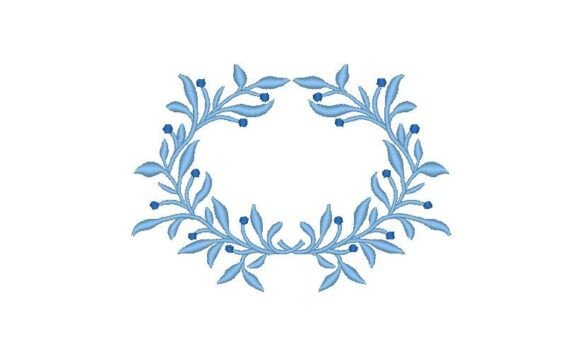
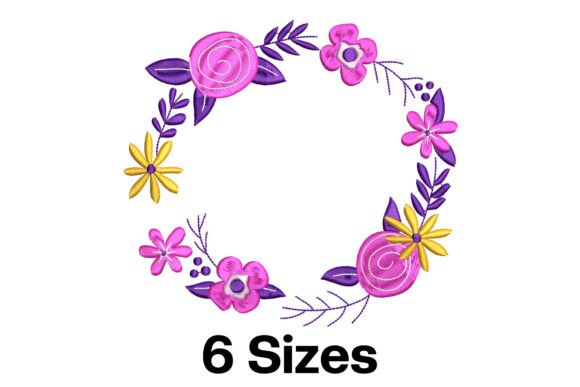
As soon as I opened the preview of this machine embroidery design, I could see its potential for small businesses. The Flowers Border Frame feels like a hand‑drawn floral wreath, with an open centre that practically begs for a monogram, a business name, or a tiny brand icon. It carries a warm, cheerful character—somewhere between a vintage storybook illustration and a modern handcrafted stamp. There’s a sense of playfulness in the petal shapes and leaf curves, but the overall outline holds enough structure to look polished on finished products.
Where the Flowers Border Frame Shines in Small Business Merchandising
I’ve stitched out similar designs for dozens of clients, and the Flowers Border Frame immediately suggests a handful of high‑return applications. Picture a neighbourhood café: this border would look wonderful on canvas tote bags that carry bags of coffee beans, or on a simple apron pocket where it frames the shop’s initials. Because it’s compact enough to fit on a chest area but intricate enough to catch attention, it works beautifully as a chest logo accent on polo shirts or work shirts. On a crewneck, you can place it as a sleeve detail—small, unexpected, and full of character.
One of the most practical uses is the embroidered patch. When you stitch this frame on twill or felt, trim it, and add a heat‑seal backing, it becomes a versatile asset. Small businesses can sell patches as merchandise, attach them to customer gifts, or even use them as product packaging accents. For an Etsy seller or a handmade brand, including a custom patch with every order turns a simple purchase into a branded experience. And because the frame itself doesn’t lock you into one message, you can change the inside lettering for seasonal events, limited‑edition drops, or staff uniform tiers without redesigning the core look.
Tote bag designs also benefit enormously from this layout. A medium‑sized print‑and‑stitch (or pure embroidery) of the Flowers Border Frame on a natural cotton tote creates an upscale, boutique feel. Used on aprons, it gives servers and makers a unified, handcrafted identity that customers subconsciously trust. Even on a simple work cap—avoid the heavily curved front, but plenty of space on the side or back—the frame can hold a tiny brand mark and look intentional. The key is to test placement before committing to a run, because a framed design always draws the eye, and you want it to land exactly where you intend.
Navigating Placement Challenges: Patches, Caps, and Tiny Details
I love the visual energy of this embroidery file, but I also know where it could cause headaches if rushed. The fine floral elements—petals, leaves, tiny stems—need breathing room. If you shrink the Flowers Border Frame below about 2.5 inches wide for a patch, those delicate details risk closing up or turning into a single blob of thread. On a curved cap front, the frame’s circular nature fights the surface, often distorting the petals on one side. I always test on a flat cap panel first, or simply sew a patch onto the cap afterwards. For staff uniforms with textured fabric, like piqué or thick canvas, the stitch depth can bury the design, so you’ll need a heavier cutaway stabilizer and perhaps a water‑soluble topper.
Dark uniforms are another common trap. If the frame is stitched in light thread on a navy or black shirt, the slightest gap in thread coverage will show the fabric underneath, making the design look sparse. The opposite mistake—packing too much stitch density into a small space—causes puckering, especially on lightweight tees. When I plan a branding rollout with a floral frame like this, I always sew a sample on the real fabric, wash it five times, and check both the front and the back. That’s the only way to know if your thread colors and tension will survive everyday wear.
How a Floral Frame Elevates Brand Identity and Customer Perception
Branding is about feeling. A frame design does something that a standalone logo sometimes can’t: it frames your business name like a seal of quality. When a customer sees an apron, a tote bag, or a uniform patch with the Flowers Border Frame around a brand mark, their first thought is “this looks intentional.” That tiny shift in perception directly builds brand identity, trust, and recognition. Even without reading the text, people remember the shape—and later, when they spot that same floral outline on a different product, they associate it with the positive experience they had before.
This matters hugely for small business merch. A bakery using the frame on bread bags and staff t‑shirts feels cohesive. A handmade jewellery studio that stitches the border onto velvet pouches elevates the perceived value of every order. Because the design is not tied to one industry, it adapts easily: florists, pet boutiques, gift shops, and craft studios can all feel right at home. The “imaginative flair” of the embroidery itself adds a human touch—people can see the thread, the subtle sheen, and the texture, and that signals a handmade product even when parts of the process are automated.
Consistent use of the same digital embroidery file across multiple products also reinforces the visual story. A tote bag, a cap, and a thank‑you card all using the same floral border create a branded universe that feels professional. When you’re listing items on Etsy or at a craft fair, that consistency helps customers recognise your booth, your photos, and your finished product instantly. It turns a simple embroidery design into a powerful design asset.
Designer’s Production Checklist: Test Before You Stitch
Before loading the Flowers Border Frame onto your machine for a commercial run, I always recommend a series of low‑risk tests. Not every embroidery file behaves the same way on different fabrics, and small adjustments can save your entire production budget. Here is the checklist I follow, and I’d encourage any apparel decorator, Etsy seller, or merch creator to do the same:
- Test in black and white first. Print the design at the intended size and see if the contrast holds. If shapes blend into each other, thread colour changes won’t fix it.
- Check small patch size. Stitch out at 2.5, 3, and 4 inches to find the sweet spot where the flowers read clearly without excessive bulk.
- Review thread colour contrast. On dark uniforms, use a slightly thicker underlay or a shade lighter thread so the design doesn’t disappear. On light fabrics, ensure the frame stands out enough.
- Inspect spacing. If you plan to add text inside the frame, leave at least an 8–10 mm gap between the letters and the inner flower edge.
- Confirm hoop size. Even though the product description doesn’t specify the exact required hoop, you must verify that the file fits your machine’s available hoops. Always preview in your embroidery software.
- Test on real fabric. Don’t rely on a muslin mockup alone. Stitch on the actual apron canvas, tote fabric, or polo shirt you’ll use for orders.
- Use proper stabiliser. For most mid‑weight fabrics, a medium cutaway stabiliser works; for knits, add a ball‑point needle and maybe a wash‑away topping.
- Create a printable mockup for client approval. A digital proof placed on a product photo helps clients see the design in context and prevents re‑stitching later.
- Compare beside other design assets. If you sell multiple embroidered items, lay the finished frame sample next to your existing products to ensure it fits your brand family.
- Confirm commercial licensing before business use. The product description doesn’t list licensing terms, so always check with the seller that the digital embroidery file allows use on items you plan to sell. This one step protects your whole business.
Final Verdict: A Versatile Asset for Creative Businesses
After analysing the Flowers Border Frame from every angle—placement, fabric behaviour, brand psychology, and real‑world wear—I genuinely see it as a smart addition to any embroidery‑based small business toolkit. Its open centre gives endless customisation options, and the playful floral details make it a natural fit for brands that want to feel friendly, stylish, and approachable. As long as you respect its detail and don’t push it below a usable patch size, this design can become a signature element across custom apparel, tote bags, aprons, caps, and even packaging accents.
The key is to treat it as a commercial embroidery asset from day one: test thoroughly, choose thread colours that match your brand identity, and build a consistent visual system around it. A bakery using this frame on aprons, coffee bags, and window stickers becomes a brand that customers recognise and trust. A boutique that stitches it onto tissue paper wraps or gift tags adds perceived value to every purchase. The style bridges the gap between handmade warmth and boutique professionalism, which is exactly what many small business owners need.
Before you purchase or stitch, reach out to the supplier for any missing technical details like stitch count, required hoop size, and exact format. And as with all embroidery files, run your own sample, wash it, wear it, and only then give it your stamp of approval. When used thoughtfully, the Flowers Border Frame will reward you with a cohesive, memorable look that customers keep coming back to.