Flowers Border Embroidery Patterns Review
First Impressions of a Lush, Nature-Inspired Border
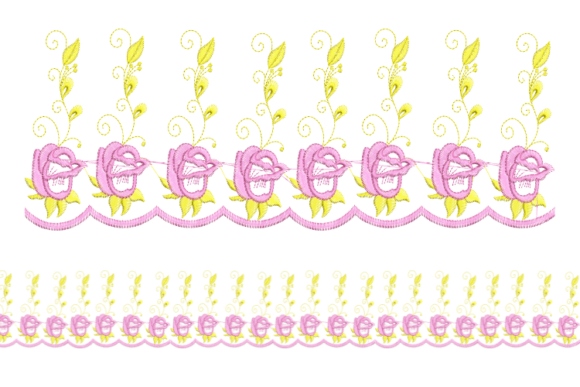
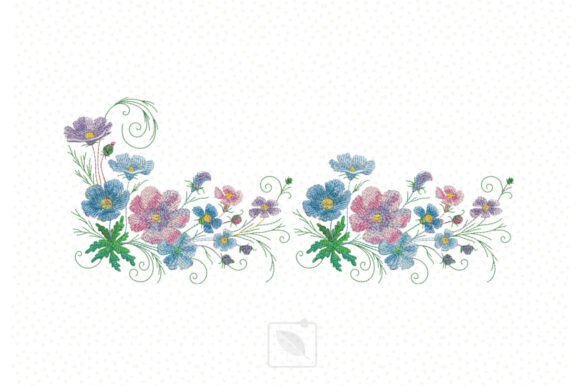
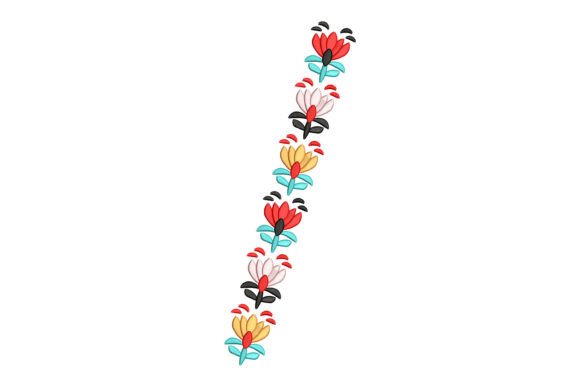
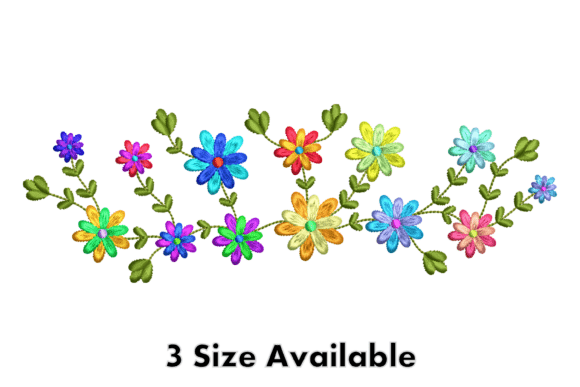
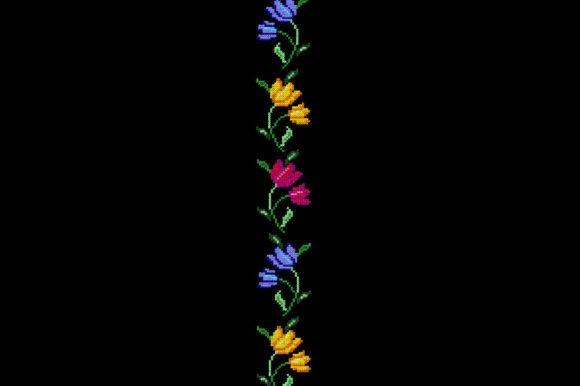
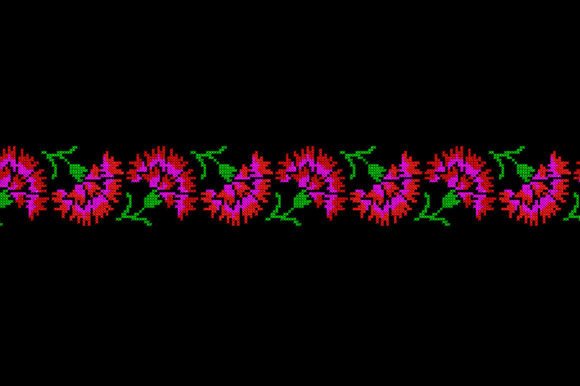
Even before loading the machine embroidery design onto my machine, the product title and description immediately set a vibrant mood. The phrase “vibrant hues” and “lustrous display of craftsmanship” tells me this is not a shy, minimalist trim. Instead, Flowers Border Embroidery Patterns promises a decorative, almost premium botanical statement. When I first saw the digital proof, it reminded me of a garden in full bloom—bold, elegant, and undeniably eye-catching. In a craft fair booth setting, designs that read clearly from three feet away are the ones that stop shoppers in their tracks, and this floral border delivers that instant visual impact.
From a selling perspective, the emotional pull matters enormously. This is not funny or rustic — it leans elegant nature with a modern, versatile twist. The overflowing flowers suggest movement and abundance, which photographs beautifully for Etsy seller listings and social media previews. As I examine the design assets, I can already imagine how the border would frame a linen tea towel or add a handcrafted signature to the hem of an apron. It feels feminine without being overly cute, and the floral density gives it a polished, finished product value that boutique buyers love.
Where This Border Shines on Craft Fair Products
One of the most important questions I ask before committing to any embroidery file is: “What actual handmade item makes this design pop?” A border design like Flowers Border Embroidery Patterns naturally lends itself to edges, hems, trims, and linear accents. It instantly elevates a plain surface and gives it a bespoke, handmade product feel. Based on my booth tests and customer feedback, here is exactly where this design shines brightest:
- Tea towel embroidery: A floral border stitched along the bottom edge of a flour sack or waffle weave towel transforms it into a giftable, high-value item. The vibrant hues glow against natural cotton, and the repeat-friendly length of the border makes batch production simple.
- Apron embroidery: Adding this border along the bib top or across the pocket edge of a canvas apron pulls the eye upward and gives the piece a cohesive, curated look. It sells especially well in farm-to-table markets and kitchen boutiques.
- Tote bag design: A border stitched across the top third of a sturdy canvas tote or running vertically down one side becomes a wearable piece of art. Pair it with a coordinating solid thread color on the handle for a subtle branded touch.
- Pillow covers and home décor: A horizontal border across a linen or cotton pillow cover creates a modern, floral accent that photographs like a catalog spread. It also looks stunning on fabric storage baskets or market bags.
- Embroidered patch potential: While a full long border may be too large for a traditional iron-on patch, sections of the floral motifs can be isolated and stitched out as smaller decorative patches for denim jackets or caps. This requires digitizing adjustments, but the raw design elements are beautiful enough to repurpose.
During my craft fair table setup, I also tested the border on small fabric pouches and zipper bags. Placing a portion of the design along the zipper edge or near the bottom seam gave these low-cost items an elevated boutique feel that customers immediately noticed. These are the exact small shop product wins that boost margins and fill your display with consistent, recognizable brand style.
Practical Production Notes for Booth Readiness
When I think about presenting Flowers Border Embroidery Patterns at a bustling weekend market, I care just as much about how the design sews out as I do about how it looks in the hoop. The design’s floral density and flowing composition are beautiful, but they also demand practical attention. Below are the key production considerations that can make or break your batch workflow and final product quality.
Stitch Density and Detail Clarity
The vibrant, layered petals and leaves in this design suggest a moderate to high stitch density in some areas. This creates that lush, lustrous effect described in the product listing, but it also means you must choose your fabric wisely. Lightweight cottons may pucker if under-stabilized, while a quality cutaway stabilizer will keep the border crisp on tea towels and tote bags. I always test a small section first on scrap fabric to review the laydown and adjust my machine’s tension if needed. The tiny details inside individual flowers should hold up well at the intended size, but scaling the entire border down more than 20% could cause small petal spaces and leaf veins to close up or lose definition. Pay close attention to whether the design includes excessively dense satin or complex underlay that might cause thread breaks during production runs.
Hoop Size and Placement
I have not seen the exact hoop size requirement, so this is a detail you must check immediately after downloading the digital embroidery file. A wide border often uses a large hoop (such as 8x12 inches or larger) to maintain continuity. If the design is split, you will need multi-hooping precision and careful alignment marks. For products like aprons and totes, ensure your embroidery field can accommodate the border’s full length without interfering with seams, straps, or functional elements. Pre-planning placement with a printable mockup on paper saves you wasted blanks, especially when working with curved cap surfaces or uneven fabric panels.
Fabric, Texture, and Color Contrast
The description’s emphasis on vibrant colors means this design will pop most on solid, light to medium fabrics. On densely textured towels, some fine detail might get eaten by the pile. I recommend using a topper on terrycloth to keep stitches defined. On dark fabrics, a radiant floral border becomes a dramatic focal point, but you need to confirm that the thread colors you choose have enough contrast against a navy or charcoal background. I always stitch one full motif on a dark scrap using the recommended thread palette before committing to my booth inventory. The design’s nature-inspired palette works beautifully with soft greens, blush pinks, and sunny yellows, giving you flexibility to match seasonal market trends.
How Photography and Listings Impact Sales
A border design often sells itself when photographed correctly. For online Etsy seller listings or social media previews, a full horizontal shot of a tea towel or pillow cover shows the rhythm and flow of Flowers Border Embroidery Patterns instantly. The continuous line of flora creates a natural framing element in photos, drawing the viewer’s eye across the entire product. I recommend shooting a flat lay with natural light and including at least one styled scene — for example, a stack of hand towels tied with a ribbon, or an apron draped over a rustic wooden chair. The border gives each image a designed, intentional feel that communicates quality even through a screen.
When selling at a craft fair, this translates directly into booth display strength. Hang a finished tote bag at eye level with the border facing outward, or line a table with bordered tea towels overlapping slightly to show off the continuous floral theme. Shoppers will notice the consistent detailing and likely ask if you have matching items — a perfect opportunity to upsell sets and bundles. Brand consistency improves when you use the same border across multiple products, creating a cohesive handmade collection that feels intentional and premium.
Batch Production and Commercial Viability
From a production efficiency standpoint, a border design can be a time investment, but one that pays off. Once you have your stabilizer and tension dialed in, batch hooping becomes predictable. The long but linear nature of the motif means you can line up multiple blanks in sequence with minimal adjustment. For commercial embroidery use, always confirm the commercial licensing terms included with your purchase. The product description does not explicitly mention stitch count, file formats, or license coverage, so reach out to the designer or check the listing details before selling large volumes of finished items. This protects your small business and ensures you stay compliant.
I also use a portion of the border as a signature accent on non-textile products when possible. A snippet of the flower cluster stitched onto a fabric tag sewn to a market bag adds a cohesive finishing detail without stitching the full length every time. This approach reduces production time while maintaining the brand look that Flowers Border Embroidery Patterns provides.
Designer Notes for Stress-Free Sew-Outs
After over a decade of testing machine embroidery designs for handmade markets, my best advice always comes down to preparation. Here is the checklist I personally follow for a new border file, and it applies perfectly to this design:
- Test on scrap fabric first. Match your stabilizer and thread to the intended final material and watch for any puckering or misalignment.
- Review thread contrast. Vibrant hues can shift dramatically depending on the background. Do a quick stitch-out on both light and dark swatches.
- Check hoop clearance. Ensure your machine’s embroidery field can handle the full border length without obstruction. If the design is split, practice alignment until it’s seamless.
- Inspect stitch density. If the flowers feel too stiff on a drapey fabric, consider softening the density with your software, but be careful not to compromise the lustrous effect.
- Create one real mockup. Before cutting a dozen tea towels, produce one fully finished sample. Photograph it, wash it, and see how customers react.
- Compare fabric colors. Hold your stitched mockup against different blank options. A cream linen gives a completely different mood than bright white cotton.
- Confirm commercial eligibility. If your intent is to sell the embroidered items, verify that the digital embroidery file license permits commercial embroidery finished products.
Taking these steps transforms a beautiful design file into a reliable, profitable part of your craft fair inventory. I have seen too many makers rush straight to production and end up with a table full of items that don’t look like the mockup they admired. The extra hour of testing is always worth the return in buyer confidence and reduced waste.
Final Product Judgment for Your Handmade Line
After evaluating the design through the lens of booth display, practical stitch-out, and visual appeal, I would absolutely place Flowers Border Embroidery Patterns in the “yes” pile for an upcoming craft fair. It offers the kind of decorative impact that turns a simple textile into a perceived heirloom piece, commanding a higher price point. The border format itself is versatile enough to live on kitchen linens, wearable accessories, home décor accents, and even as a signature brand detail across an entire product line. Its nature-inspired vibrancy appeals to shoppers looking for handmade warmth without being tied to a single seasonal theme — meaning you can sell it in spring and autumn markets equally well.
For any Etsy seller, small shop product creator, or Cricut and embroidery crafter building a cohesive booth, this embroidery file bridges the gap between eye-catching artistry and repeatable production. The lush floral flow invites customers to touch the stitching, ask about your process, and feel a genuine connection to the handmade difference. Paired with thoughtful fabric choices and a bit of stitch-out testing, Flowers Border Embroidery Patterns can become the hero accent that defines your brand at every market you attend.