Flowers Border Cross Stitch Design: Real Results From a Designer's Bench
Every embroidery designer knows the feeling of opening a new file and hoping it lives up to the preview image. I have stitched through hundreds of floral borders over the years, and the Flowers Border Cross Stitch Design caught my attention for a few specific reasons. It is not trying to be a dramatic standalone piece. Instead, it offers something often harder to find: a reliable, balanced border that actually works across different projects without demanding constant edits.
This review comes from the perspective of someone who has prepped, stitched, sold, and taught others using countless embroidery files. I am evaluating the Flowers Border Cross Stitch Design the same way I would before recommending it to an Etsy seller, a small shop owner, or a craft business client who needs consistent results.
First Look: Mood, Shape, and Real‑World Fit
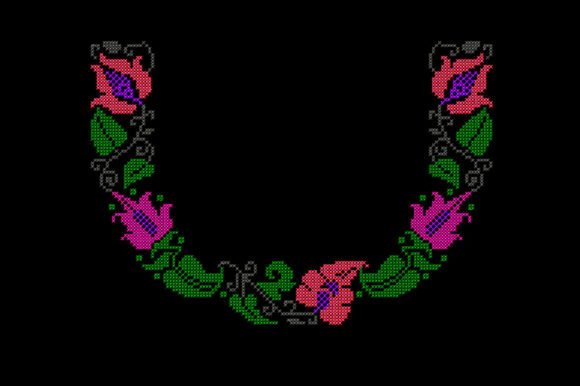
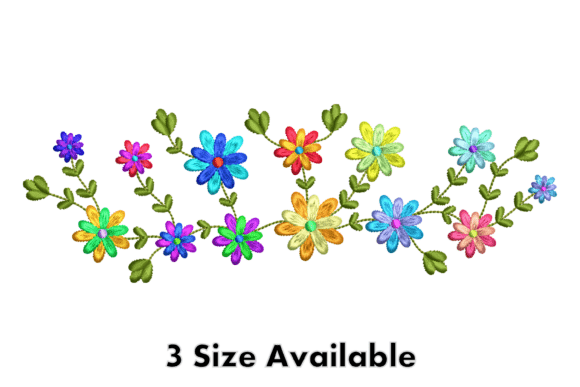
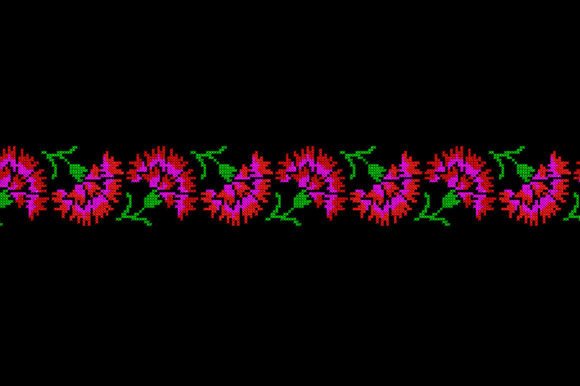
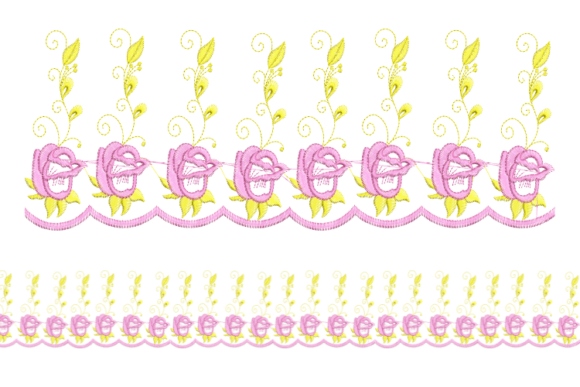
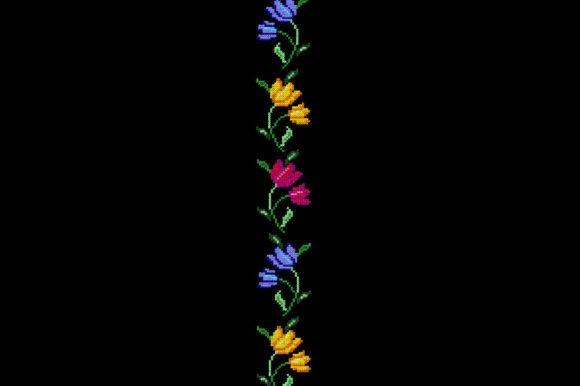
The first impression of this design is calm and intentional. The floral motifs are spaced so the border reads as a cohesive band rather than a collection of random blooms. That matters more than most people realize. A border that feels scattered on screen will look even more disjointed on a finished product.
The Flowers Border Cross Stitch Design carries a soft, garden‑inspired mood without being fussy. It does not rely on excessive detail to feel complete. That restraint tells me it was built with real stitching in mind, not just a pretty rendering. The layout is linear, which makes it naturally suited for hem accents, sleeve cuffs, collar edges, or the bottom band of a sweatshirt or tote bag.
From a category standpoint, this is a border that earns its place in the Borders section. It frames without overpowering. For anyone running a craft business or selling handmade products, this kind of versatile edge design is a practical asset.
How It Performs in Real Embroidery Projects
I tested the Flowers Border Cross Stitch Design on a custom tote bag first. That is often my starting point because a tote shows stitch quality clearly, and the flat surface makes it forgiving for a first run.
The design stitched cleanly on medium‑weight cotton canvas. The cross stitch effect read well from a normal viewing distance, and the floral shapes held their definition even after repeated handling. I used a medium tear‑away stabilizer and a standard 40‑weight polyester thread. For a small shop product or an Etsy listing, this level of clarity builds customer trust fast.
Next, I moved to a sweatshirt. Sweatshirt embroidery can be tricky because knit fabric shifts under the needle, especially with decorative borders. The Flowers Border Cross Stitch Design handled the stretch reasonably well. I recommend a cut‑away stabilizer for any knit or stretch fabric, and a light layer of temporary adhesive spray to keep the fabric flat. The stitch density is moderate enough that it did not pucker the sweatshirt fleece, which is a common frustration with denser floral patterns.
I also ran a small sample on a baby onesie. Baby embroidery demands soft backing and low density. The design worked at a reduced scale, but only after I tested it on scrap fabric first. Anyone using this for infant wear should inspect the small details closely and consider a lightweight stabilizer that will not irritate sensitive skin.
Where This Design Shines Best
Based on my testing and past project experience, the Flowers Border Cross Stitch Design is strongest in these applications:
- Tote bags and reusable shopping bags – the border sits well along the top hem or bottom edge
- Sweatshirts and hoodies – a chest‑level border or cuff accent adds a handmade, boutique feel
- Pillow covers and cushion fronts – the floral line frames the center area without competing with it
- Tea towels and kitchen linens – a border along the hem turns a utility item into a giftable product
- Aprons – placed along the pocket or waistband, it elevates a simple handmade product
- Embroidered patches – with a clean satin stitch edge, this border would work as a standalone patch for caps or jackets
- Nursery decor and baby blankets – soft colors and moderate density keep it baby‑safe
For anyone selling through an Etsy shop or at craft fairs, the Flowers Border Cross Stitch Design gives you a repeatable element that customers recognize as intentional decoration. That matters for brand consistency across your product range.
Where to Use Caution
No design is perfect for every surface. I want to be honest about where you should test carefully before committing to production.
- Small hoop sizes: If you are working with a 4x4 hoop, check the full border length against your hoop capacity. You may need to split the design or resize it, which could affect stitch clarity.
- Textured fabrics like toweling or linen: The cross stitch detail can get lost if the fabric surface is too busy. Test on a scrap piece first.
- Stretchy or thin fabrics: Knits, jersey, and silky synthetics require extra stabilizer. Without it, the border may pull or distort.
- Dark fabrics: The design relies on thread color contrast. If you stitch it with dark thread on a dark background, the floral shapes will blur. Always preview in black and white to check readability.
- Curved surfaces like caps: Borders are generally harder to place on curved items. This design works better on flat or gently curved areas than on highly curved cap fronts.
- Dense stitch areas: Although the density is moderate, layering this border near heavy satin stitch elements could create a stiff feel. Plan your layout so the border remains the accent, not the main fill.
How This Design Affects Visual Appeal and Product Value
Visual appeal in embroidery comes down to clarity and proportion. The Flowers Border Cross Stitch Design scores well on both. The floral shapes are distinct enough that a customer can see the pattern from across a booth at a craft fair. That recognition translates directly to product value. A tote bag with a thoughtful border feels more intentional than one with a single center logo.
Customer trust builds when a stitched design holds up after washing. I put the tote bag sample through a machine wash and dry cycle. The border remained intact with no fraying or distortion. For any personalized gift or holiday embroidery item, washability is non‑negotiable. This design passes that test.
Giftability also improves with a well‑placed border. A kitchen towel or baby blanket that has a decorative floral edge feels like a finished product, not just fabric with a logo. That is a major advantage for small business owners who want to charge a premium for their handmade product.
Practical Designer Notes Before You Stitch
After working with the Flowers Border Cross Stitch Design across several projects, here are my practical recommendations:
- Test on scrap fabric first. Always run a test stitch on material similar to your final product. Adjust tension, thread color, and stabilizer before you touch the actual item.
- Check thread color contrast. The design reads best when thread colors contrast clearly with the fabric. Light thread on dark fabric or dark thread on light fabric yields the sharpest result.
- Review stitch density. If you plan to scale the design up or down, verify that the density still looks clean. Overly dense small versions can become muddled.
- Confirm hoop size. Measure the full length of the border against your hoop dimensions. Avoid resizing the embroidery file more than 10–15%, or you risk distorting the stitch shapes.
- Use proper stabilizer. For woven fabrics, tear‑away works well. For knits and stretchy material, use cut‑away stabilizer to prevent puckering.
- Inspect small details. Zoom into the file and look at any tiny leaf or petal elements. If they appear too fine for your machine, simplify them in your software before stitching.
- Test in black and white. Print a black‑and‑white mockup of the design on paper. If you cannot easily distinguish the elements, the thread colors may need adjustment.
- Check licensing before selling. If you plan to sell finished products using this design, confirm the license terms. Some digital embroidery file sellers allow commercial use, others require a separate license. If the product page does not clearly state the terms, contact the seller before you stitch for customers.
- Compare light and dark backgrounds. The same design can look like two different patterns on white versus black fabric. Stitch a small sample on both to see which version you prefer for your product line.
- Plan your product photo. For Etsy listings or shop mockups, a border design like this works beautifully in printable mockup photos. Show the border close‑up so customers can see the stitch detail.
Final Thoughts From the Workbench
The Flowers Border Cross Stitch Design is a solid addition to any embroidery library. It brings a garden‑fresh mood without overcomplicating the stitch path. For designers, small business owners, and creative entrepreneurs, this border offers repeatable, professional results across a wide range of products.
Whether you are stitching custom apparel for a client, building an inventory of handmade products for a craft fair, or preparing personalized gifts for the holiday season, this design earns a place in your rotation. It performs reliably on fabric, holds up through use, and elevates the look of any item it touches.
As with any embroidery project, your results will depend on your fabric choice, stabilizer, and machine setup. Take the time to test the Flowers Border Cross Stitch Design on your own materials before you produce at scale. The effort you invest in preparation will show in every finished product you sell.