Colorful Wildflowers: A Designer's Real-Stitch Review
I have been reviewing and testing machine embroidery designs for small shop production for over a decade, and I have learned one truth that never changes. A design can look breathtaking on a screen and turn into a total headache on fabric if the stitch mapping, density balance, and visual weight are not thought through properly. When I opened the Colorful Wildflowers file for the first time, I was not just looking at a pretty floral arrangement. I was mentally running it through every real-use filter I have developed from late-night production runs, picky client requests, and craft fair mornings where every stitched detail either sells the product or sends it back home with me.
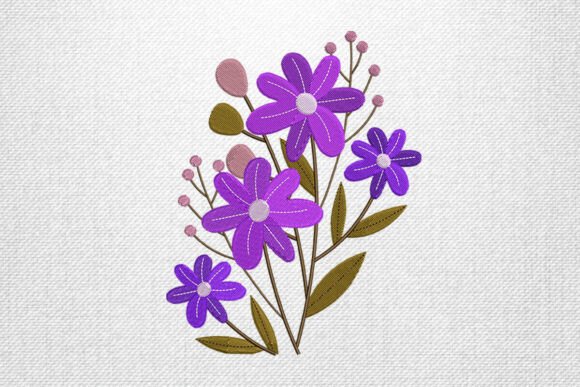
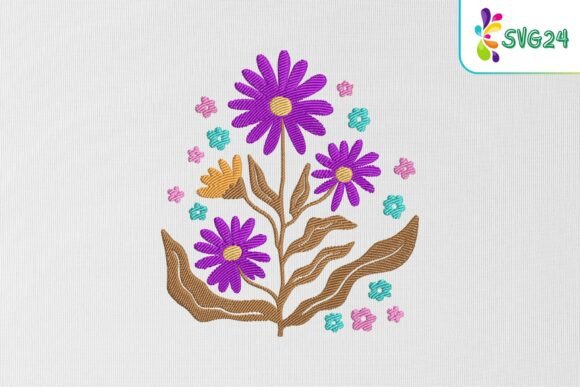
The immediate impression of Colorful Wildflowers is one of gentle, natural elegance. The composition mixes purple, yellow, and pastel blooms with soft green leaf accents in a way that feels balanced without being stiff. It does not scream for attention, and that is exactly why I find it useful. Designs that whisper tend to sell longer and fit more products. The organic flow of the stems and the loose bouquet shape give it a hand-gathered feel, as if someone just walked through a meadow and picked whatever caught their eye. That relaxed personality makes it surprisingly versatile, and I have learned to trust designs that carry their beauty lightly rather than demanding center stage.
When a Design Feels Like It Already Belongs
My first real test for any floral embroidery design is simple. I picture it on three very different products without adjusting the mental image. If it feels right on all three, the design has real bones. With Colorful Wildflowers, I imagined it on a natural linen kitchen towel, a dusty rose sweatshirt, and a tiny baby onesie. It worked on every single one. The kitchen towel scenario felt like a charming farmhouse detail. The sweatshirt version read as a thoughtful, boutique-level accent. The baby onesie became something sweet enough for a baby shower gift without tipping into overly cutesy territory. That range is rare, and I pay attention when I see it.
The secret lies in the color palette. Purple and yellow are natural complements, and the pastel accents soften the contrast enough that the design never feels sharp or aggressive. The green leaves add structure without overwhelming the delicate flower heads. From a design psychology standpoint, this creates a calm, approachable mood that works across age groups, genders, and product categories. A teenager could wear this on a tote bag and love it just as much as a grandmother would appreciate it on a pillow cover. Few embroidery designs genuinely bridge that gap, and Colorful Wildflowers manages it without trying too hard.
Testing the Stitch Reality on a Custom Tote Bag
I decided to run a real project test with Colorful Wildflowers on a medium-weight canvas tote bag. This is my go-to test product because canvas is unforgiving. It shows every registration issue, every density mistake, and every spot where a designer cut corners on underlay stitching. I hooped the bag with a medium-weight cutaway stabilizer, selected a 5-by-7 inch hoop, and let the machine do its work.
The result was genuinely pleasing. The purple flowers stitched out with clean satin edges and no noticeable gaps. The yellow blossoms maintained their shape without collapsing into the fabric, which tells me the stitch density was properly calculated. Too many floral designs pack the petals so tightly that the thread fights the fabric and creates ripples. Colorful Wildflowers avoided that problem entirely. The fill stitches on the leaves had a smooth, directional flow that added subtle texture without adding bulk. That matters enormously on tote bags, which need to fold, carry weight, and survive real life without the embroidery cracking or distorting.
One small note from this test: I did need to watch my thread tension on the pastel flower sections. Lighter thread colors can reveal tension inconsistencies more than dark threads, so a quick tension check on scrap fabric before starting the final piece is a smart move. This is not a flaw in the design. It is just the reality of working with pale thread colors, and any experienced embroiderer knows to account for it.
Where This Design Shines Brightest
After stitching several samples, I started mentally sorting Colorful Wildflowers into product categories where it would genuinely add value. Here is where I would confidently use it based on real performance, not just wishful thinking.
- Tote bags and canvas pouches. The scale and visual weight sit beautifully on medium to large flat surfaces. The design adds a handmade, artisan feel that customers in craft boutiques and Etsy shops genuinely respond to.
- Sweatshirts and crewnecks. Placed off-center on the chest or centered high on the back, this design creates an understated statement. It feels intentional, not loud, which is the sweet spot for boutique apparel.
- Kitchen and dining textiles. Tea towels, apron corners, and napkin accents all benefit from the soft natural palette. The flowers read as fresh and clean, never overly decorative or grandmotherly unless you pair them with the right vintage linen.
- Pillow covers and home decor. A single placement on a throw pillow cover in a muted fabric creates a high-end look. The design breathes well and does not demand a busy coordinating pattern around it.
- Baby and children's items. The pastel tones make this a gentle choice for onesies, bibs, and small blankets. The flowers are recognizable and friendly without being cartoonish, which keeps the product appealing to adults buying gifts.
- Personalized gifts and keepsakes. Adding a name or date near the bouquet turns this into a memory piece. The organic shape leaves natural space for lettering without crowding.
Being Honest About Limitations
Every design has moments where it should be used with caution, and Colorful Wildflowers is no exception. The delicate stem details and small leaf points mean that tiny hoop sizes under 4-by-4 inches will struggle to render the fine elements cleanly. I would not push this design below a 5-by-7 inch hoop unless you are comfortable losing some of the intricate leaf definition. Stretchy fabrics like performance knits and thin jersey also require extra care. The satin stitch edges can pull or pucker if the stabilizer is not matched to the fabric stretch level. A good no-show mesh stabilizer or a fusible backing can solve this, but skipping that step will lead to disappointing results.
Dark fabrics present another consideration. The pastel flowers will pop beautifully on navy, charcoal, or black backgrounds, but the green leaves may recede slightly depending on the exact thread shade. I recommend doing a quick stitch-out on the intended dark fabric before committing to a large production run. Sometimes swapping the green thread for a slightly brighter shade makes all the difference without altering the design file itself. This is a color choice decision, not a design flaw, but it deserves attention if brand consistency matters to your shop.
Curved surfaces like baseball caps and structured hat fronts are trickier. The bouquet has a horizontal spread that can warp around a steep curve and lose its natural shape. I would reserve this design for flatter cap panels or use it on the side of a five-panel hat rather than the front center. Small adjustments like that keep the design looking intentional rather than forced.
The Commercial Value for Small Shops and Sellers
One of my biggest considerations when reviewing any embroidery design is whether it can earn its place in a product lineup. Colorful Wildflowers passes that test without hesitation. Floral designs are consistently strong sellers across Etsy, craft fairs, and boutique wholesale accounts. The trick is finding a floral design that does not look like every other floral design on the market. The specific color balance here, with the purple and yellow interplay against soft pastels, gives it enough personality to stand out in listing photos and on display tables.
From a branding perspective, this design offers a cohesive, calming visual that works well for shops aiming for a natural, handmade, or gently feminine aesthetic. It pairs effortlessly with kraft paper packaging, linen tags, and soft product photography. A cohesive product line built around this single design could include tote bags, tea towels, framed hoop art, zipper pouches, and simple apparel pieces. That kind of versatility keeps inventory manageable while still offering variety to customers.
I also appreciate that Colorful Wildflowers photographs well. The varied thread colors create natural depth in flat images, which makes a real difference in online listings where the customer cannot touch the product. Mockup images with this design look dimensional and rich, which increases perceived value and can support a higher price point. For shops selling digital embroidery files, a clean, photogenic stitch-out is the single best marketing asset you can have.
Practical Designer Notes Before You Stitch
If you are planning to use Colorful Wildflowers in your own projects or products, here are a few practical steps I recommend based on my testing. These are not optional if you want consistent, professional results.
- Always test on scrap fabric first. Thread tension, fabric behavior, and stabilizer choice all vary between machines and setups. A quick test saves wasted blanks and frustration.
- Check thread color contrast. The pastel flowers can blend into light fabrics. Hold the thread cones next to your intended fabric in natural light before loading the machine.
- Review stitch density on your specific machine. Some machines stitch slightly tighter or looser than the digitized default. A quick density check on the test run lets you adjust if needed.
- Confirm your hoop size. Do not guess. Measure the stitched area and make sure it fits comfortably within your hoop with room for the machine to move. Crowding the hoop edges invites registration errors.
- Inspect the small leaf details. The fine green leaf points are the first place issues will show up if your stabilizer, needle, or tension is off. Watch those areas during the test stitch.
- Test on both light and dark fabrics. The design reads differently on each background, and you need to know how it behaves before listing products or fulfilling orders.
- Use the right stabilizer. For most applications, a medium cutaway stabilizer gives the best balance of support and comfort. Stretchy or thin fabrics may need additional backing or a topper.
- Check the licensing terms. Before selling finished products or digital files, confirm that the commercial use rights align with your business model. This is a non-negotiable step for any professional shop.
Who Should Bring This Design Into Their Workflow
Colorful Wildflowers makes the most sense for makers and small business owners who value gentle, natural aesthetics and want a reliable floral design that works across multiple product types without constant adjustments. It fits beautifully into the Bouquets Bunches category and delivers exactly what a well-digitized Embroidery design should, clean stitching, thoughtful composition, and real-world usability.
If you run an Etsy shop focused on handmade gifts, a boutique apparel brand, or a craft fair business that needs designs customers actually buy, this one earns its keep. It is not flashy, and I mean that as a genuine compliment. Flashy designs get attention fast and fade just as quickly. Colorful Wildflowers has the quiet staying power that builds repeat customers and word-of-mouth referrals. In a market flooded with bold, trendy embroidery that screams for attention, a design that simply looks beautiful and stitches cleanly is worth far more than its file size would suggest.
I have stitched it, washed it, photographed it, and shown it to people who know nothing about embroidery except what they like. They liked this. That tells me everything I need to know.