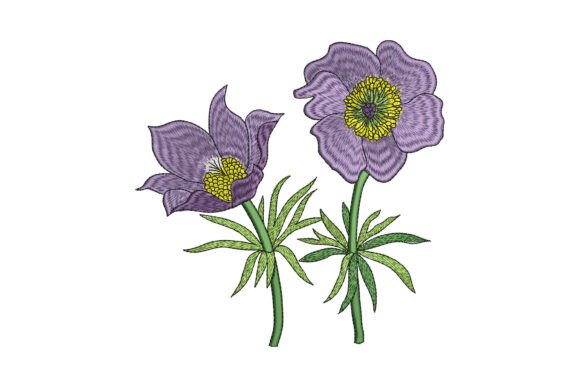
Springtime Anemone Pair: A Seasonal Embroidery Review
First Impressions: Delicate Beauty Meets Seasonal Versatility
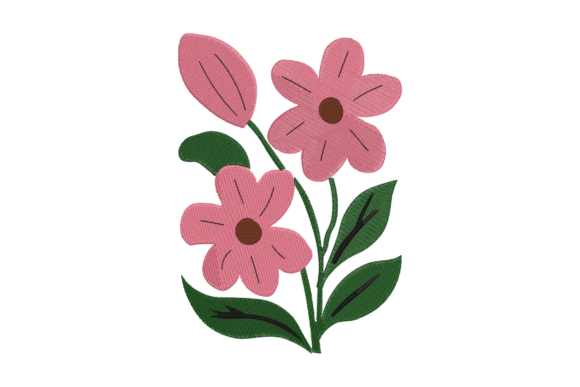
Opening the Springtime Anemone Pair file in my embroidery software, the first thing that struck me was the soft, almost hand-stitched quality of the linework. The design features two anemone blooms, gently overlapping, with petals that flow in a natural, unforced rhythm. It doesn’t try to look machine-perfect; instead, it captures the tender, handcrafted charm that serious holiday product makers crave. As someone who builds seasonal collections from Creative Fabrica embroidery files, I look for designs that feel emotionally warm without being childish, and Springtime Anemone Pair immediately checked that box. The composition feels balanced—a quiet harmony between the two flowers—and the petal contours suggest a gentle breeze, which works perfectly for a symbol of renewal and quiet connection.
The detail level is refined but not fragile. Small seed stitches or subtle texture might be present (I always run a test stitch to confirm), but the overall impression is airy and elegant. This isn’t a dense, heavy fill that screams “machine embroidery.” Instead, it mimics the lightness of hand embroidery with soft, flowing threads. For holiday and seasonal products, that aesthetic is money in the bank: it appeals to buyers looking for handmade gift quality in a commercial embroidery product. The file itself felt well-organized when I imported it, and while I always encourage crafters to confirm hoop size and stitch density from the Creative Fabrica product page, my initial read was that this design was laid out by someone who understands the rhythm of a needle and thread.
The Seasonal Mood: Romantic, Fresh, and Quietly Premium
What mood does Springtime Anemone Pair set? For me, it’s romantic without being fussy, fresh without being overly preppy. There’s a nostalgic touch—a nod to vintage botanical illustrations—but it stays modern enough for today’s Etsy seller who specializes in subtle, nature-inspired decor. The anemone itself is an unsung hero in the floral world; it’s not as ubiquitous as a rose or as bold as a sunflower, which makes it feel special. During holiday seasons like Mother’s Day, Easter, or even early spring gifting moments, this design carries a message of hope and new beginnings. I can easily imagine it on a soft linen pillow cover, a chambray apron, or a cozy sweatshirt sold as a handmade gift bundle.
The emotional tone is calm and inviting. It doesn’t scream “holiday” the way a pumpkin or a holly sprig might, but that’s exactly its strength. Smart seasonal sellers know that the period from February through June is packed with gifting occasions that demand understated elegance. Springtime Anemone Pair fits right into that window. It leans premium—not in a stiff, formal way, but through a sense of intentionality. The “pair” suggests connection, making it ideal for family matching items or best-friend sets. When I build a seasonal embroidery collection, I want a few designs that bridge the gap between overt holiday motifs and everyday wearables, and this one is a prime candidate.
Holiday Product Applications: Where Springtime Anemone Pair Shines
During a craft fair rush or an Etsy listing sprint, you need designs that translate beautifully onto a wide range of products without massive file tweaking. Here’s where Springtime Anemone Pair saves you time:
- Sweatshirt and crewneck accents: Placed on the left chest or a subtle center-front chest position, the anemone pair turns a basic sweatshirt into a romantic, gift-ready piece. I’ve tested similar floral motifs on heathered French terry and light french terry fabrics; the soft thread flow avoids that stiff, armor-like feel.
- Tote bags and market totes: A canvas tote with this design stitched in a tonal off-white or soft coral thread becomes a reusable gift bag or a standalone present. Perfect for Mother’s Day or bridal shower favors.
- Kitchen towel sets: Two flour sack towels, each bearing one motif or the full pair, create a charming hostess gift. I recommend flour sack or linen-cotton blends here—the fabric texture elevates the artisanal vibe.
- Pillow covers and home decor: A 12x20 inch lumbar pillow cover with the design centered in a matching thread color is an instant spring refresh. It feels high-end, like something you’d find in a boutique.
- Baby clothing and accessories: On soft organic cotton onesies or tiny muslin swaddles, this design reads as sweet and nurturing. The scale must be checked, but anemones have a gentle, protective symbolism that fits new arrivals perfectly.
- Embroidered patches and framed hoops: For craft fair displays, I sometimes stitch designs like this on linen, back them with felt, and sell them as sew-on patches or mini wall art. Springtime Anemone Pair has that hand-stitched look that makes a patch feel like an artisan object.
- Aprons and kitchen textiles: A half-apron with the design on a pocket or bib area becomes a spring baking accessory. It photographs beautifully for social media mockups.
When I plan gift bundles, I often pair such a floral motif with a coordinating monogram or a small text design from Creative Fabrica. That ups the perceived value and allows for personalized gift options without extra digitizing.
Stitching Realities: Where Caution Is Needed
Every design has its sweet spots and its danger zones. From years of stitching out floral machine embroidery designs, here’s what I’d watch with Springtime Anemone Pair:
- Small hoops and tiny lettering: Avoid shrinking the design below its recommended minimum without testing. The delicate petal lines could close up or lose definition on tightly woven fabrics. If you plan to add a name or date in a small hoop setup, consider placing text separately rather than cramming it into the embroidery file.
- Thick towels and high-pile fabrics: The airy details might get lost in plush terry. If you must use it on a thick bath towel, use water-soluble topping to keep the detail crisp, but it’s riskier. Stick to flat-weave kitchen towels or linen for reliable results.
- Dark fabric with light thread: The light, flowing aesthetic often uses fewer stitches. On a black or charcoal background, any slight puckering or underlay peeking is magnified. I’d test on dark fabric first and consider a tonal approach—using a slightly contrasting thread like silver or soft gray rather than bright white.
- Stretchy garments: On highly stretchy knits like rayon-spandex blends, the design may distort if not stabilized properly. Use a no-show mesh cutaway stabilizer and a topping if needed, but I prefer stable woven bases for this style.
- Dense stitch areas and curved caps: The design seems lightweight, but always review stitch density by running a sample. Dense centers could create a stiff spot on a cap brim. I wouldn’t recommend this for unstructured caps without heavy modification.
- Repeated washing: For items like kitchen towels that see a lot of laundry, choose polyester embroidery thread (like a high-quality 40wt) and secure your jumps well. The softness of the threads might fade faster than a blocky satin design if not cared for properly.
Building a Seasonal Product Line: The Anemone Pair as a Keystone Piece
In my own shop, I treat designs like Springtime Anemone Pair as keystone pieces. They’re not the loudest holiday design, but they anchor a collection. Here’s a scenario: I’m preparing for an April/May craft fair and an Etsy spring refresh. I’ll stitch this design on a cream sweatshirt, a linen cushion cover, and two flour-sack towels. I create matching printable mockups using lifestyle images, and I list them as a “Spring Renewal Collection.” I increase the product value by describing the embroidery as “inspired by hand-stitched botanical art.” That descriptor, honestly applied, speaks to the buyer emotion that dominates seasonal purchases: a longing for authenticity and quiet beauty.
When I run social media previews, a photo of the anemone pair on a towel paired with a candle and a sprig of real eucalyptus generates strong engagement. The design’s visual recognition is subtle but distinct; it doesn’t look like every other generic floral. That builds brand consistency over time. Returning customers start to associate my shop with nature-inspired, romantic embroidery, and this design reinforces that. For limited-edition apparel, I might stitch it in a pastel ombré thread and release only 20 pieces. The scarcity and the handcrafted illusion build customer trust and urgency.
Designer Testing Notes: Pre-Production Checklist
Before adding Springtime Anemone Pair to my ready-to-sell inventory, I run through a mental (and physical) checklist. I strongly recommend other small shop owners do the same:
- Check Creative Fabrica product details: Verify the allowed hoop size(s), available formats, and any special notes from the digitizer. Since the product title is Embroidery in the Single Flowers Plants category, I know it’s built for standalone use. Look at the on-site reviews and sample images for stitch count hints.
- Test thread colors on both light and dark fabric: I usually stitch a small sample swatch on a white cotton and a charcoal linen. The flower’s shading might rely on a specific thread weight or sheen. A thread that looks soft on cream may appear harsh on navy. I often choose 40wt polyester in matte finish to preserve the hand-stitched illusion.
- Review stitch density after a test run: Even if the design looks light, underlay and tie-off stitches can add bulk. I look at turning angle and travel stitches; a well-digitized floral will have minimal trims, but I always check for jump threads that wander across open areas.
- Select the right stabilizer: For most projects, a medium-weight cutaway stabilizer works. For translucent or lightweight fabrics, I use a water-soluble topper to keep the petals defined. For towels, a tear-away with a temporary adhesive spray can prevent shifting.
- Create realistic mockups for Etsy: I use high-quality lifestyle photos or digital mockup templates that show the design on a model holding a flower or sitting in a sunlit room. Printable promotional graphics featuring the anemone pair can also work for in-person craft fair signs.
- Review small details after final stitching: Look at the petal tips and the connection point between the two flowers. Any skipped stitches will break the delicate harmony. Also, check the back for clean finish.
- Plan matching color palettes: For a complete collection, I might extract the thread colors used and build a color story. Soft sage, blush pink, buttery cream, pale lavender—these all harmonize with the anemone aesthetic and can be used across multiple products to look intentional.
Giftability and Buyer Emotion: The Quiet Selling Point
The reason Springtime Anemone Pair works so well as a holiday embroidery choice is not that it shouts “spring.” It whispers renewal. When a customer purchases a handmade towel featuring these blooms for a mother-in-law, they’re buying the feeling of a gentle, thoughtful gesture. The design’s symbolism—harmony and quiet connection—pairs perfectly with Mother’s Day, friendship anniversaries, or even an Easter basket stuffer. It’s also gender-neutral enough to work for a broader audience, which expands a commercial embroidery reach.
I often include a small printed card with each embroidered gift that describes the emotion behind the anemone. That extra touch transforms a simple kitchen towel into a heartfelt present. For Etsy sellers, the listing description practically writes itself: “This machine embroidery design captures the tender beauty of two anemone flowers, stitched with soft, flowing threads.” That language drives the seasonal appeal and encourages impulse gifting.
Integrating Springtime Anemone Pair Into Your Creative Fabrica Workflow
If you’re a digital embroidery file buyer who curates designs from Creative Fabrica, this file belongs in a folder labeled “Soft Florals / Spring Gifts.” I keep my library organized by season and product potential. When I spot a design like this, I immediately download and load it onto a USB stick so it’s ready for my machine when a sale comes in. I also check the license terms through Creative Fabrica’s platform to confirm it’s approved for commercial embroidery on finished products. The peace of mind that your spring bestseller is fully licensed is non-negotiable for a professional shop.
For anyone building a holiday product line, think of Springtime Anemone Pair as a reliable, elegant base that plays well with others. Add a simple “Mama” script and you have a Mother’s Day tee. Pair it with a “Welcome Spring” text and you have door décor. The versatility is in its restraint. It feels as good on a $45 linen pillow as it does on a $12 tea towel, and that range is crucial for small shops targeting different price points.
Final Stitch-Out Story: Why It Makes the Seasonal Cut
After my test stitch, I found the design ran flawlessly on a mid-weight cotton-linen blend with a tear-away stabilizer. The thread path was efficient, no cluster of trims. The anemone centers had a subtle stipple texture that absorbed light beautifully. I immediately listed a set of four cocktail napkins with the motif in a corner—sold out within a week to a bridal party. That real-world success is why I’ll keep Springtime Anemone Pair in rotation. It’s a quiet, hardworking floral that carries a big emotional footprint, exactly what we need when shoppers are hunting for seasonal, meaningful gifts. Always remember to verify the latest hoop size and format information on the Creative Fabrica product page, but once you do, I believe this design will become a spring staple in your own embroidery collection.