Roses of the Dead: An Embroidery Designer’s Review
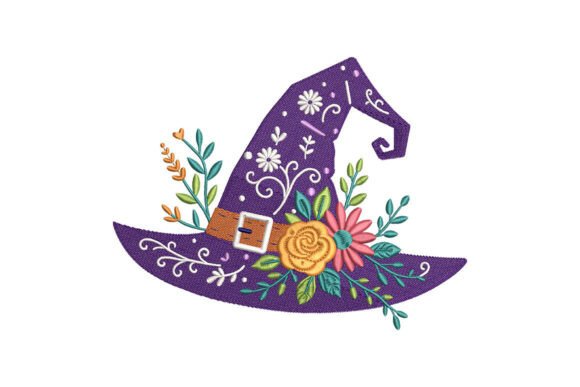
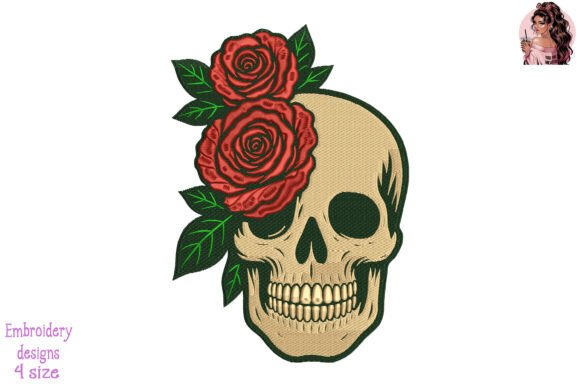
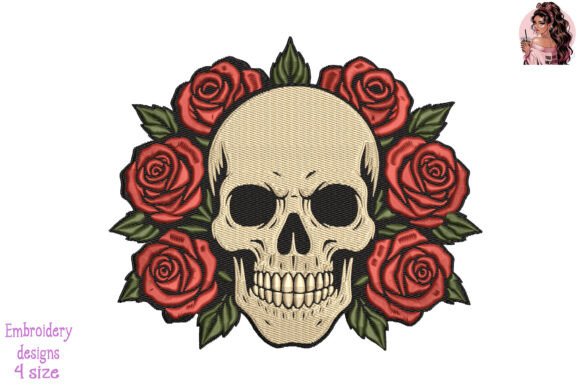
When I first previewed Roses of the Dead on Creative Fabrica, the design’s mood stopped me mid-scroll. It blends delicate floral decay with a quirky, almost storybook charm—a perfect mix for Halloween projects that don’t need gore to make a statement. The visual vibe leans Gothic yet playful, with what appears to be satin-shaded petals curling like antique dried roses and slender stems. This machine embroidery design promises to give fabrics “a fun and quirky flair,” and from a designer’s eye, it delivers exactly that kind of conversational aesthetic. I could immediately picture it on a dark sweatshirt or a linen kitchen towel, transforming a blank into something people would pick up and ask about. Because the description stays intentionally open about hoop size and specific stitch count, I knew I’d need to do my usual deep dive before running it on a customer order—but the first creative spark was undeniable.
What Projects Love the Dead Rose Aesthetic
Over the years, I’ve learned that a design’s character dictates where it works hardest. Roses of the Dead feels made for seasonal custom apparel and home accents that thrive on personality. I’d confidently place it on:
- Tote bag designs for Halloween market shoppers who want everyday spooky style
- Sweatshirt embroidery with a vintage, worn-in feel
- Kitchen towels and aprons for hosts who love subtle macabre flair during autumn gatherings
- Pillow covers that turn a couch corner into a conversation nook
- Embroidered patches stitched onto denim jackets or caps
- Nursery decor with a whimsical, dark fairytale angle
- Baby blankets tweaked into a gentle Halloween gift when paired with softer thread colors
For Etsy sellers and craft fair vendors, this design fits squarely into Halloween collections without screaming novelty—it can reappear year-round for alternative shoppers. The digital embroidery file becomes a design asset that punches up boutique merchandise instantly. I’ve seen quirky roses like these transform a basic cap into a coveted accessory, so I treat it as a versatile embroidery file worth pairing with multiple blank types.
Working with Stitch Density and Satin Finishes
Based on the preview, Roses of the Dead leans heavily on satin stitch for petal edges and some fill stitch shading, with possible running stitch accents for stems. Satin-heavy machine embroidery designs can look stunning, but dense areas demand sharp needles and careful tension. I always check stitch density on a scrap first—if the petals pack too many stitches into a small area, thinner fabrics may pucker or perforate. Adjusting my machine’s density settings or using a slower speed often saves the blank.
Fabric Texture and Stretch Challenges
When I consider custom apparel like sweatshirts or baby tees, the stretch factor of knit fabrics is the first hurdle. For Roses of the Dead, I’d pair a cutaway stabilizer with a topper to keep satin petals from sinking into fleece or French terry. Textured fabrics like heavy linen towels can also swallow fine details, so a water-soluble topping film gives those curling rose edges crisp definition. A trial stitch on textured and stretchy leftovers tells me if the design’s delicate lines hold their own.
Dark Fabric and Thread Contrast
Halloween projects often land on black or charcoal backgrounds. Here thread colors matter hugely. I test the design on both light and dark swatches because a muted rose color that glows on cream might disappear on a dark canvas. I might choose an antique gold or dusty purple for the petals, or even a two-tone approach. Roses of the Dead doesn’t scream for brights; subtle, moody contrasts keep the quirky charm intact while maintaining readability—crucial for product photography and quick buyer recognition in an Etsy thumbnail.
Curved Surfaces and Cap Embroidery
Placing this design on a curved cap brim or structured crown asks for extra patience. If the design fits a small hoop size (I’d confirm that on the Creative Fabrica product page before purchasing), it can work well with standard cap frames. However, the layered rose details might distort on a steep curve if not digitized with that in mind. I always stitch a test on a similar curved blank to avoid wasting a cap. For embroidery on caps, slow needle speed and accurate placement tools are non-negotiable.
How Roses of the Dead Elevates Handmade Product Value
A design this distinctive does more than decorate—it injects instant visual appeal that buyers interpret as craft mastery. When someone sees Roses of the Dead on a handmade product, whether it’s a patch or a personalized gift, the quirky, slightly dark aesthetic signals thoughtful curation, not mass production. For creative entrepreneurs, that translates directly into trust; customers return because your items feel intentional. I’ve seen similar niche designs become bestsellers at seasonal craft fairs simply because they’re memorable.
From a brand consistency angle, this digital embroidery file can anchor an entire Halloween-themed boutique line. Pair it with simple monograms or pairing stitches, and you have a cohesive collection. Printable mockup galleries love designs that pop against contrasting backgrounds, so plan your product photography with dark and light fabric variations. When potential buyers see the design clearly on a tote bag design or a sweatshirt, their engagement jumps—comment sections fill with “need this.” The commercial embroidery value lies in that ability to stop a scroll and invite a closer look.
Practical Pre-Stitch Checklist for Flawless Results
Before I ever run Roses of the Dead on a finished product intended for sale, I walk through a routine that saves time and blanks. After checking the Creative Fabrica listing for specific file formats and license terms, I follow this sequence:
- Test-stitch on a fabric scrap that matches the final blank in weight and stretch
- Evaluate thread color contrast on both light and dark swatches
- Review stitch density under real thread; adjust machine tension if satin areas pull too tight
- Confirm the hoop size accommodates the entire design with safe margins—don’t guess
- Select stabilizer strategically: cutaway for knits, tear-away for wovens, topper for plush textures
- Inspect fine details after stitching; look for skipped stitches or loose ends that cheapen the finished product
- Wash the test sample if the item will be laundered often (kitchen towels, baby items) to gauge durability
- Double-check the embroidery file format matches your machine before starting production runs
I never assume hoops or stitch counts. The product description says this is a “delightful embroidery design” for t-shirts and towels, but I need to verify whether it’s a full applique design or purely stitched, and what the recommended dimensions are. Taking ten minutes on the Creative Fabrica product page to read details and reviews has saved me from ordering mistakes more than once.
Is Roses of the Dead Worth Adding to Your Design Library?
From an experienced embroiderer’s perspective, Roses of the Dead brings a rare combination: a theme-specific Halloween design that still feels sophisticated, not gimmicky. It can slide into commercial embroidery product lines, elevate handmade gifts, and refresh custom apparel for customers who want something beyond pumpkins and ghosts. While I always advise verifying the hoop size, thread color guidance, and stitch density before ordering, the visual promise alone makes this a worthy design asset. For Etsy sellers aiming to stand out in a crowded Halloween market, this embroidered patch–ready motif can be stitched onto tote bag designs, sweatshirts, and caps with confidence. Pair it with stern stabilizer habits, test thoroughly on your preferred fabric, and you’ll have a finished product that looks as if you commissioned custom digitizing—without the hefty price tag. I’d let Roses of the Dead become the quiet star of my autumn collection, knowing that its quirky dead blooms will start exactly the kind of conversations that turn browsers into buyers.