Poppy Flowers Embroidery Design Review for Real Projects
When I first opened the Poppy Flowers embroidery file from Creative Fabrica, I was cautiously optimistic. As someone who has stitched hundreds of floral designs across custom apparel, home decor, and handmade gifts, I have learned that not every pretty digital file translates well into thread. Some designs look stunning on screen but turn into a tangled mess of dense stitches or lose all definition on textured fabric. I downloaded Poppy Flowers with a specific project in mind: a set of kitchen towels and a matching tote bag for a boutique order. I wanted to see whether this design could deliver the charming, quirky feel promised in the product description while still performing reliably in real production work.
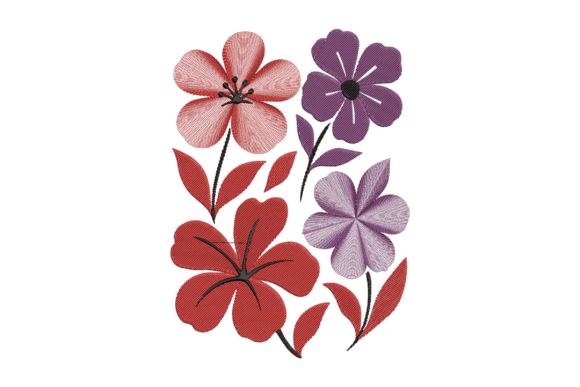
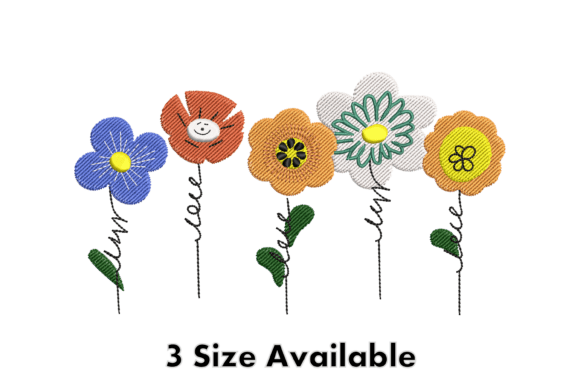
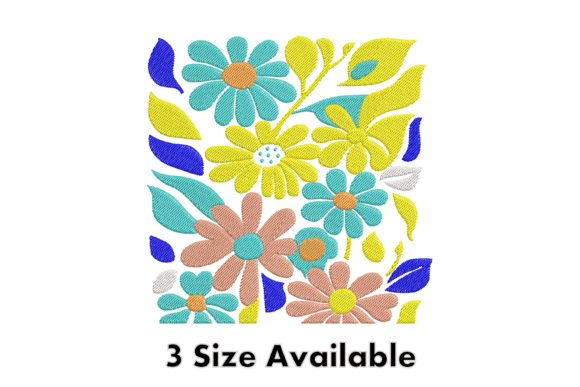
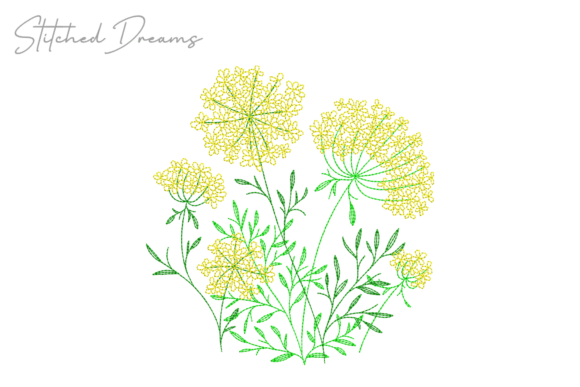
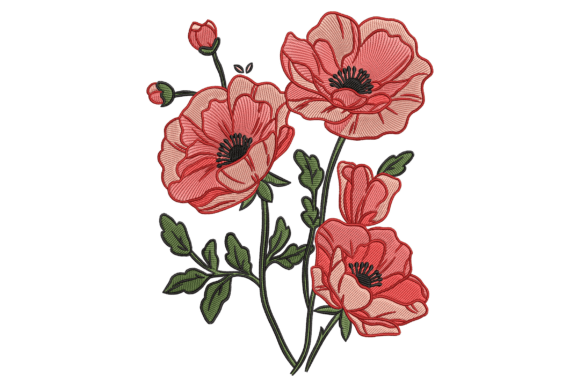
This machine embroidery design sits in the Bouquets Bunches category, and it immediately gave me a cheerful, slightly relaxed impression. The poppies have a natural flow, not too stiff or overly formal. The petals feel organic, and there is a gentle whimsy that makes me think of handmade markets, farmhouse decor, and personalized gifts that feel personal rather than mass-produced. For an experienced designer, that is exactly the kind of mood that sells well on Etsy and at craft fairs. Customers gravitate toward floral designs that feel artistic but not fussy, and Poppy Flowers strikes that balance nicely.
Visual Personality and Stitching Character
The first thing I look for in any embroidery file is how the design elements are constructed. Poppy Flowers uses a mix of satin stitch and fill stitch areas that give the blooms a soft, dimensional look. The petals have a slight overlap that reads well in thread, and the center details add a small focal point without overwhelming the overall shape. I appreciate that the leaves and stems use a combination of running stitch and satin stitch, which keeps the design from feeling too heavy.
One of my early concerns with floral Creative Fabrica embroidery designs is that the stitch density can sometimes be too high, causing puckering on lightweight fabrics or making the design feel stiff on items like baby blankets or sweatshirts. After examining Poppy Flowers, the density appears moderate. The fill areas are solid enough to give good coverage but not so dense that they would cause distortion on medium-weight cottons or quality sweatshirt fleece. I would still recommend testing on scrap fabric first, especially if you plan to stitch it on stretchy knits or delicate linens.
Project Use Across Handmade Products
I evaluated Poppy Flowers for several real project scenarios. For a tote bag design, the size and layout work well centered on the front panel or placed slightly off-center for a more modern look. The poppies have enough presence to stand alone as a single motif, but they could also pair nicely with lettering or other small elements if you want to create a custom combo.
For custom apparel, I considered stitching this design on a women's sweatshirt. The visual weight of the flowers is balanced, so it would sit nicely on the front chest area or upper back. On a cap or embroidered patch, you would need to check the hoop size carefully. The design has some width, so a smaller hoop might not accommodate the full motif without trimming or resizing. For curved surfaces like caps, I would recommend using a dense cutaway stabilizer and testing on a practice cap before committing to a customer order.
For kitchen towels and aprons, Poppy Flowers is a strong candidate. The design has a decorative, slightly playful feel that works well in a farmhouse or cottage aesthetic. I would stitch it with bright thread colors on a natural linen or cotton towel, and I would use a tear-away stabilizer to keep the back neat. For items that will see frequent washing, like towels or baby blankets, I recommend testing thread colorfastness and checking that the stitch density does not cause the fabric to pucker after a few cycles. A medium-weight cutaway stabilizer is usually my go-to for washable goods.
Practical Performance on Different Fabrics
I always advise other embroidery designers and small business owners to think about how a design behaves on the actual fabrics they use most. On textured fabric like linen or slub cotton, Poppy Flowers reads well because the satin stitch areas have enough width to stand out against the weave. On dark fabric, the design benefits from a light underlay or a white bobbin thread to prevent show-through, especially in the fill stitch sections. I would also recommend checking thread color contrast in a mockup before stitching. A pale poppy on a white towel can get lost, so consider using a deeper red or a contrasting outline to define the petals.
For handmade products like pillow covers and nursery decor, Poppy Flowers offers a soft, approachable look. I could see it stitched on a crib quilt or a throw pillow for a child's room. The design is not overly cutesy, so it works for both children and adults. For personalized gifts, you might combine it with a name or monogram, but be mindful of small lettering near the dense stitch areas. If you plan to add text, keep it at a reasonable size and use a satin stitch font that will not be overwhelmed by the floral elements.
Practical Embroidery Notes
Before I stitch any new design on a customer item, I always run a test on scrap fabric. With Poppy Flowers, I recommend testing on the same fabric type you plan to use for the final product. Check for any areas where the stitch density might cause the fabric to pull or pucker, especially around the center of the poppies where the fill stitches converge.
I also recommend verifying the hoop size before purchasing. The product page should specify the dimensions, and you need to ensure your machine can accommodate the full design without multiple hooping. For commercial use, confirm the file details and licensing on the Creative Fabrica product page before selling finished items. It is always better to review the terms upfront rather than after you have stitched a batch of products for a client.
For thread colors, I suggest pulling three to four shades that complement your fabric. A deep red or coral for the petals, a warm yellow or dark brown for the center, and two greens for the stems and leaves will give the design depth. If you are using a digital embroidery file in a printable mockup for your Etsy listing, you can preview color combinations quickly and adjust before stitching.
Product Value and Customer Perception
From a business perspective, Poppy Flowers adds real value to handmade products and custom apparel. Floral designs consistently perform well in Etsy listings and craft fair products, especially when they have a timeless but slightly quirky feel. This design fits that sweet spot. It is not too generic, but it is also not so niche that it limits your audience. I can see it selling well as a personalized gift for Mother's Day, birthdays, or housewarming occasions.
For product photography, Poppy Flowers photographs nicely because the satin stitch catches light and the fill areas provide enough texture to read well in photos. If you are creating digital design assets for your shop, a well-stitched sample of this design could become one of your best-selling mockups. Buyers appreciate seeing a finished product that looks professional and polished.
The design also supports brand consistency. If you run a boutique that focuses on floral or botanical motifs, Poppy Flowers can be part of a cohesive collection. Pair it with complementary leaf designs or small accent flowers, and you can build a consistent visual language across your product line. That kind of coherence builds buyer trust and encourages repeat customers.
Final Thoughts for Embroidery Designers
Poppy Flowers from Creative Fabrica is a solid choice for anyone looking to add a floral design to their embroidery library. It has a charming, relaxed personality that translates well to a range of products, from kitchen towels and aprons to sweatshirts and tote bags. The stitch construction is reasonable, and the visual appeal is strong enough to enhance both simple and more elaborate projects.
As always, I encourage you to test the design on your own machine and fabric before using it for customer orders. Check the embroidered patch behavior, the stabilizer requirements, and the overall finished product quality. If you take the time to do a proper test run, Poppy Flowers can become a reliable design in your rotation for commercial embroidery and handmade product lines.
For Etsy sellers, small business owners, and creative entrepreneurs, this design offers a good balance of beauty and practicality. It is worth downloading if you are looking for a floral motif that feels fresh without being overly complicated. Just remember to confirm the file details and license on the product page before you start stitching, and you will be ready to create something your customers will love.