Mosaic Cuctus: A Vibrant Embroidery Design Review for Sellers
Every so often, a machine embroidery design lands in my Creative Fabrica feed that immediately sparks a dozen product ideas before I even read the full description. The Mosaic Cuctus design did exactly that. At first glance, the name might read like a typo, but the artwork itself is unmistakably intentional—a saguaro cactus broken into colorful, geometric patches that channel a stained-glass window more than a simple desert plant. As someone who stitches for Etsy listings and small-batch craft fair inventory, I knew within seconds that this was worth a close evaluation.
What follows is my honest, seller-focused breakdown of the Mosaic Cuctus embroidery design. I will walk through its visual personality, the products it seems built for, the kind of buyer it attracts, and the practical considerations any small shop owner should weigh before adding it to a commercial embroidery lineup.
First Impressions and Visual Personality
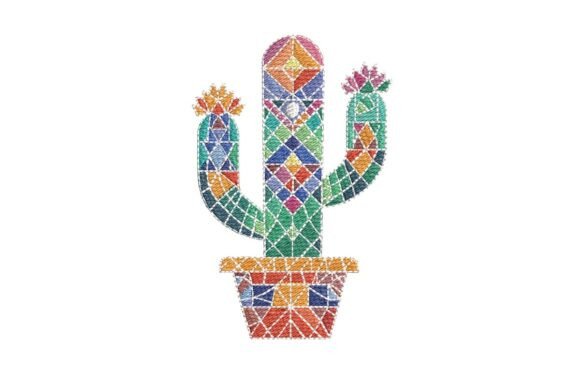
The Mosaic Cuctus design does not read as a simple floral or botanical motif. The description confirms what the thumbnail suggests: a saguaro filled with colorful, geometric patches arranged to mimic a stained-glass effect. This immediately places the design in a category I would call modern art-meets-handmade. It is not rustic or farmhouse, though it could work in a Southwestern-inspired collection. It is not overtly feminine or childlike, though the color palette likely leans bright and saturated. Instead, it feels bold, artistic, and slightly upscale—the kind of embroidery that makes someone stop scrolling on Etsy and think, that looks special.
For sellers who build their brand around pieces that feel curated rather than mass-produced, this design offers a distinct advantage. The mosaic styling inherently suggests craftsmanship and care. Even a buyer unfamiliar with embroidery will perceive the design as intricate, because the segmented patches visually mimic hand-assembled tile work. That perception elevates the perceived value of whatever finished product carries the stitch-out.
I would describe the overall mood as vibrant, contemporary, and slightly playful without crossing into whimsical or juvenile territory. A design like this can sit comfortably on a kitchen towel in a modern home, a canvas tote bag carried by a design-conscious shopper, or a throw pillow in a living room styled with eclectic decor. It has range, and range matters when you are trying to stretch one digital embroidery file across multiple product categories.
What Kind of Products Suit Mosaic Cuctus Best
Based on the stained-glass aesthetic and the single-plant subject matter, I see this design performing exceptionally well on flat, medium-to-large stitch areas where the geometric color blocks have room to breathe. My mind immediately goes to a short list of high-margin, high-appeal products that align with what the Mosaic Cuctus appears to offer.
- Canvas tote bags—A single bold design centered on a natural cotton tote creates an instantly giftable, reusable accessory that photographs beautifully for Etsy thumbnails.
- Sweatshirts and crewnecks—Placed on the upper back or front chest, this mosaic cactus reads as wearable art, especially on a neutral base like oatmeal, charcoal, or faded terracotta.
- Kitchen towels—A vibrant saguaro on a flour-sack towel bridges functional home decor and small-batch boutique charm, perfect for market stalls and online gift shops.
- Throw pillow covers—A single-color linen or cotton cover with this design stitched prominently turns a basic home accessory into a statement piece.
- Embroidered patches—If sized appropriately and stitched on sturdy backing, the mosaic silhouette could translate well into a sew-on or iron-on patch for denim jackets and backpacks.
- Aprons—A bib apron with this design centered on the chest panel feels intentional and upscale, appealing to home cooks who appreciate artistic kitchen textiles.
- Baby blankets—On a soft minky or cotton receiving blanket, the colorful geometric shapes introduce visual stimulation without being overly thematic or cartoonish.
- Caps and hats—A scaled version on the front panel of a dad cap or bucket hat taps into the trend of accessory-driven self-expression.
- Personalized gifts—Paired with a name, date, or short phrase in a complementary font, this design becomes a memorable custom piece for housewarmings, birthdays, or new beginnings.
What I appreciate most from a product-planning standpoint is that the Mosaic Cuctus design does not lock me into a single season or holiday. Desert motifs and geometric art have steady year-round appeal, and cactus imagery enjoys consistent popularity among buyers who favor botanical, bohemian, and Southwestern-inspired aesthetics. I can list products featuring this design in spring and summer collections, yet it would not feel out of place in a fall market lineup or a winter gift guide.
Buyer Appeal and Perceived Value
When I evaluate a Creative Fabrica embroidery design for my shop, I ask one question before anything else: does this make the finished product feel more giftable? Giftability drives Etsy sales, plain and simple. Shoppers browse for something that feels chosen, not generic. The Mosaic Cuctus design passes that test handily.
The stained-glass effect triggers an association with artistry and handcraft. Even though a machine executes the stitching, the geometric segmentation makes the piece look as if it required careful color placement and precision. That perception increases what buyers are willing to pay. A plain tote bag might sell for $18; a tote bag with this design stitched cleanly on quality fabric can command $28 to $35 without hesitation. Across a small batch of ten bags, that margin difference adds up quickly.
Additionally, the design photographs extremely well. The color blocks catch light in ways that show up clearly in listing images, social media previews, and mockup presentations. Sellers who rely on printable mockups or styled flat-lays can easily build a cohesive product photography aesthetic around this single motif because it provides visual structure. The eye naturally follows the segmented pattern, which keeps potential buyers engaged with the listing image longer—a subtle but real advantage in search-driven marketplaces.
The Mosaic Cuctus also supports the growing buyer preference for items that feel personal but not personalized. Not every customer wants a monogram or a name. Many simply want a design that looks intentional, artistic, and slightly uncommon. This file delivers that quiet distinction. It makes a kitchen towel feel curated. It makes a sweatshirt feel boutique. It makes a pillow cover feel like a small-batch home decor find rather than a mass-produced catalog item.
Selling Potential Across Etsy, Craft Fairs, and Small-Batch Apparel
I think about distribution channels constantly. What works on Etsy does not always translate to an in-person craft fair table, and a design that excels on apparel might fall flat on home goods. The Mosaic Cuctus design has a versatility that spans multiple selling environments.
Etsy Listings
On Etsy, the key is standing out in thumbnail search results. Designs with strong contrast, clear shapes, and recognizable silhouettes perform better because they remain legible at small sizes. A cactus shape is universally recognizable, even when reduced to a thumbnail. The mosaic interior adds enough detail to signal quality and craftsmanship without becoming muddy. I can already envision listing titles like Mosaic Cactus Embroidered Tote Bag, Stained Glass Saguaro Canvas Bag, Colorful Geometric Desert Tote. Each variation captures a slightly different search intent while remaining true to the design's character.
Craft Fairs and In-Person Markets
At a physical booth, this design gives me something to talk about. The stained-glass concept is easy to explain and visually self-evident. Shoppers who pause to look closer often convert into buyers because the design rewards a second glance. I would display a finished piece prominently—perhaps a framed stitch-out next to the sewn products—so that passing customers see the detail up close. The geometric color blocks also make it easy to offer multiple colorway options, which encourages shoppers to pick the version that matches their home palette or personal style.
Small-Batch Apparel and Boutique Merchandise
For sellers who produce small runs of custom apparel, this design hits a sweet spot. It is distinctive enough to feel exclusive yet broad enough to appeal across age groups and style preferences. A young adult might wear the embroidered sweatshirt with high-waisted jeans. An older buyer might choose the kitchen towel set for a desert-themed guest bathroom. The design does not pigeonhole me into one demographic, and that flexibility reduces inventory risk.
Practical Seller Notes Before You Stitch
Experienced embroidery sellers know that a beautiful design file does not automatically translate into a beautiful finished product. Several practical steps make the difference between a five-star review and a disappointed customer. Here is what I plan to do before listing any product featuring the Mosaic Cuctus, and what I recommend other sellers consider.
Confirm All Technical Details on the Creative Fabrica Product Page
I do not have the exact stitch count, file formats, or recommended hoop size in front of me, and I will not guess. The product description states: Stitch a vibrant art piece with this stunning mosaic cactus embroidery design. The graphic features a saguaro filled with colorful, geometric patches, giving it a stained-glass effect. That tells me about the visual concept, but it does not specify the supported machine formats, the exact dimensions, or the minimum hoop size required. Before purchasing or downloading, I always visit the Creative Fabrica product page directly to confirm those critical specifications. I encourage every seller reading this to do the same. Check for compatible file types, verify the design fits your largest hoop, and note whether the stitch density appears suitable for your typical fabric choices.
Test Stitch Density and Fabric Behavior
A design with large blocks of color can lean heavy on thread coverage. If the mosaic patches are filled with dense satin or tatami stitching, the final piece may feel stiff or pull at lightweight fabrics. Before running a batch, I stitch a single sample on the exact fabric I intend to sell—whether that is a cotton-linen canvas tote, a French terry sweatshirt, or a flour-sack kitchen towel. I evaluate how the fabric drapes after stitching, whether puckering occurs, and how the thread colors read under natural and indoor lighting.
Thread Color Selection and Contrast
The stained-glass concept relies on contrast between adjacent patches. If the design uses closely related shades, the mosaic effect may blur at a distance. I plan to test at least two thread palettes: one staying faithful to the digital preview and one amped up with higher contrast between neighboring sections. Sometimes a slight shift in thread brand or sheen—matte polyester versus rayon, for example—completely changes the perceived vibrancy. Sellers who want a signature look might even develop a house palette that they replicate across multiple designs for a cohesive shop aesthetic.
Photograph the Finished Product, Not Just the Mockup
Listing photos matter enormously. A digital preview or printable mockup helps a buyer visualize a product, but nothing builds trust like a photograph of the actual stitched piece on the actual product. I will stitch the Mosaic Cuctus design on a finished item, photograph it in natural light with simple styling, and use that as my primary listing image. Close-ups that show the stitch texture and the clean edges of the geometric patches help justify a higher price point and reduce return requests. Buyers want to see what they are truly getting, and real photos close that confidence gap.
Review Creative Fabrica Licensing Before Selling Finished Goods
This point is non-negotiable. Before I list any product made with a digital embroidery file from Creative Fabrica, I review the license terms attached to that specific design. The platform offers different license types, and what is permitted for personal use may differ from what is allowed for commercial embroidery products sold on Etsy or at markets. I do not assume, and I do not advise any seller to assume. Check the license, understand whether an extended commercial license is needed, and keep documentation of your rights. This protects your shop and respects the designer's work.
Is Mosaic Cuctus Worth Adding to Your Embroidery Library
From a product-development perspective, yes—this design earns its place. The Mosaic Cuctus brings together a recognizable silhouette, a visually engaging interior pattern, and a color-friendly structure that suits a wide range of handmade products. It leans modern and artistic without alienating mainstream buyers. It photographs well, stitches with a built-in narrative of craftsmanship, and supports honest pricing that leaves healthy margins for small-shop owners.
I see it working across tote bags, sweatshirts, kitchen towels, pillow covers, and personalized gift items with equal effectiveness. The stained-glass concept lends itself to seasonal color adaptations, and the cactus motif maintains relevance far beyond fleeting trends. For Etsy sellers, craft business owners, and anyone building a boutique embroidery product line, the Mosaic Cuctus design offers a solid blend of visual impact and commercial flexibility.
As with any machine embroidery design, the key lies in testing, photographing, and verifying the technical details before you commit to a full product launch. But if the specifications align with your equipment and your fabric choices, this is the kind of file that can quietly become a bestseller in your shop—simply because it looks like more than just another embroidery design. It looks like a small piece of art, ready to be worn, carried, or gifted.