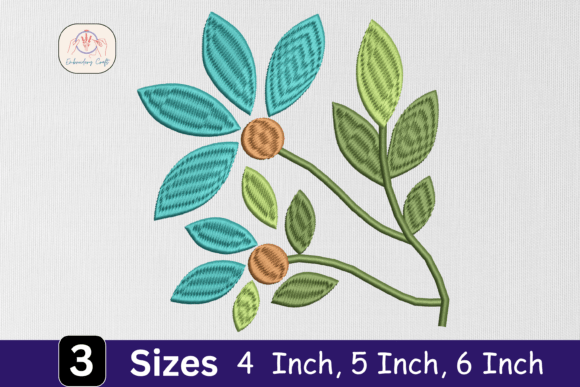
Minimal Botanical Line Art Flower for Craft Fairs
First Impression: A Soft, Modern Statement
Walking the floor of a busy weekend market, I notice clean line work before anything else. The Minimal Botanical Line Art Flower lands with a quiet confidence. It isn't loud or overly cute; it feels intentional. The description’s promise of a modern, nature-inspired touch holds true. This is line art that whispers instead of shouts, making it an instant fit for shoppers hunting that airy, botanical aesthetic. It leans elegant and minimal, not rustic or farmhouse, though a neutral color palette could bend it toward a soft cottagecore table. As a single flower design from the Single Flowers Plants category, it avoids clutter and gives makers room to style it as a main feature or a refined accent.
From an embroidery designer’s eye, the first read is that this design will photograph beautifully for booths and online listings alike. The outline nature keeps it uncluttered, so it won’t fight for attention against patterned fabric or colorful booth backdrops. It translates immediately to that desirable high-end handmade look many craft fair customers crave. The phrase ‘line art floral embroidery design’ alone sets a tone that speaks to buyers who follow minimalist home décor, botanical art prints, and sustainable fashion.
Where It Shines: Products That Sell Themselves
When I mentally lay out a craft fair table, the Minimal Botanical Line Art Flower slots into more product categories than most designs. Its light footprint works on both small accent pieces and larger focal items. Here’s where I’d place my bets:
- Tote bags and market bags: A crisp outline on natural canvas or black cotton becomes a wearable design that people pick up and admire. The minimal stitch area means the bag stays soft and foldable—no stiff patches.
- Apron embroidery: A small chest placement or a larger back panel detail gives aprons an upscale, artisan feel. Because the stitch density is naturally lower with line art, the apron fabric drapes well without sagging.
- Tea towel embroidery: A clean botanical motif on flour sack or linen towels appeals to the kitchen textile lover. It pairs effortlessly with other single-flower designs for a curated towel set.
- Embroidered patches: The outline style translates into a lightweight, flexible patch. On a cap, it can sit on the front panel as a subtle emblem. Just be mindful that curved cap surfaces may require extra hooping care—too much stretch and the thin lines could lose their crispness.
- Fabric pouches and small accessories: Zipper pouches, eyeglass cases, or small coin purses become instant giftable items when stitched with this design. The small scale keeps the delicate details readable if you don’t reduce it too far.
- Pillow covers and home accents: An oversized, centered botanical outline on a linen cushion is pure Instagram bait. It looks premium and intentional, and the soft stitchwork won’t irritate the skin when lounging.
It also works well for handmade gifts like lavender sachets, bookmark corners, or fabric-wrapped journals. Because the design is a single file categorized under Embroidery and labeled for both machine and hand embroidery, it offers two paths: machine stitching for quick booth restocks, or hand embroidery tracing for a truly one-of-a-kind mixed-media piece. That flexibility alone can be a selling point when chatting with customers about the craftsmanship.
Practical Selling and Production Points
From a business standpoint, the Minimal Botanical Line Art Flower checks off several boxes that matter in a craft fair or Etsy production line.
At-a-Glance Readability
Visitors walk past dozens of tables. If a design doesn’t register in three seconds, it’s forgotten. Line art, by nature, is uncomplicated. A single flower silhouette with an organic stem draws the eye without visual noise. Even from a moderate distance, the shape reads as botanical, curious, and approachable. No dense fill to confuse the outline, no small text to squint at. That immediate clarity is money on a crowded street.
Size Versatility
This design works as a small accent (think pocket corner or sleeve detail) or enlarged as a hero image for totes and pillows. However, I’d caution against shrinking it too aggressively. Ultra-fine line details may start to fray or lose definition below a certain scale on woven fabric. Before committing a full batch, stitch out samples at the smallest intended size and confirm the lines don’t blur. For bigger statements, upscaling is forgiving because the outline stays consistent—just be aware of your hoop size limitation. The product description doesn’t specify exact dimensions, so verify the purchased machine embroidery design file’s maximum width before dreaming up that oversized back-of-denim-jacket piece.
Photography and Online Listings
If you sell on Etsy or your own online shop, this design is a gift to product photography. A clean botanical outline on a plain backdrop, a few stems of real dried flowers, and soft natural light—the look sells itself. For digital creators selling the embroidery file itself, crisp mockups against fabric swatches help buyers visualize the final stitch. Because the design is minimal, it won’t overwhelm mockup scenes; it adds just enough detail to feel real. I always recommend taking one high-quality photo of the actual stitched-out finished product and using it as the primary listing image. For a minimal line art piece, a close-up that shows the thread sheen and stitch placement builds trust.
Batch Production and Repeatability
Line art means fewer stitches, which translates to faster hoop times. Less thread breaks, less bobbin changing, and less time per unit. When you’re rushing to stock twenty tea towels before a Saturday market, this matters. The design also won’t eat through stabilizer the way dense fills do. I found that a medium-weight cutaway or even a good tear-away works for stable wovens. For knits or stretchy fabrics (like t-shirt material), a lightweight cutaway stabilizer prevents the outline from distorting over time. The repeatable, low-stress stitch-out means you can spend more energy on packaging and booth display, rather than troubleshooting thread nests.
Careful-Use Notes for Flawless Results
No design is without its quirks, and line art rightfully demands a few specific checks. Here’s what I’d watch carefully with the Minimal Botanical Line Art Flower:
- Dense stitch areas: Even an outline design can pile stitches at sharp turns or tip intersections. Check the stitch preview in your embroidery software for overlapping nodes. A simple node adjustment can save a needle break.
- Tiny details and thin lines: The beauty of this design lies in its delicacy, but on textured towels or coarse linen, a 1mm-wide outline may partially disappear into the weave. Choose smooth, tight-weave fabrics like quilt cotton, sateen, or fine linen for maximum clarity. A fabric with too much texture will demand a heavier thread, which might lose the airy feel.
- Small lettering: The title and description don’t mention text, but if the design includes any incidental tiny identifiers (like a copyright symbol or signature-style stroke), be hypercritical at small scale. Those elements can turn into illegible blobs.
- Dark fabric work: This design shines when thread contrasts sharply with the fabric. A bright white or soft cream outline on charcoal or navy fabric looks stunning, but the stitch density must be just right—too tight and the dark fabric may show through thin thread coverage; too loose and the design looks incomplete. Test with a sample on black first, and consider a lighter bobbin thread if using a dark top thread.
- Curved cap surfaces: If the design gets used for an embroidered patch on a cap, remember that the curved bill can stretch the fabric and distort the lines. Hooping a cap with adequate backing and using a design that isn’t overly tall helps maintain the flower shape. A too-tall stem could warp around the curve.
- Thick fabric and heavy stabilizer: The design’s light stitch count means it won’t punch through dense canvas well unless your needle is sharp and stabilizer is adequate. Test on a scrap that mimics your thickest product—perhaps a layered bag bottom—to ensure the outlines don’t skip.
How It Affects Visual Appeal and Customer Engagement
A craft fair table is a visual conversation. The Minimal Botanical Line Art Flower invites customers to slow down and trace the lines with their eyes. It projects a sense of understated quality that often translates to higher perceived value. Shoppers picking up an apron or tote with this design tend to mentally place it in a calm, curated home—exactly the dream many boutique makers are selling.
Brand consistency is another plus. Because it’s a modular outline, you can pair it easily with other minimalist motifs (a leaf, a bud, a simple geometric) without clashing. Over an entire booth, repeated use of this single flower plant silhouette creates a signature look. It builds buyer confidence when they see a unified style across bags, towels, and pillows. It also allows for seasonal tweaks—try a soft terracotta thread for autumn, a fresh sage for spring markets—while keeping the same core design. That adaptability is a huge asset for a small shop product line.
Customer engagement at the booth often starts with a touch. People reach out to feel embroidered goods. The smooth, uninterrupted outline of this design feels pleasant under fingertips, not thick and plasticky. It deters nothing and invites closer examination—perfect for the “how did you make this?” conversations that lead to sales.
Embroidery Designer Notes for Stitch Success
After a decade of testing files in live selling environments, I’ve built a short mental checklist for every new design. The Minimal Botanical Line Art Flower follows no exception. Run through these before you list your first finished piece:
- Test on scrap fabric first. Use the exact fabric and stabilizer combo you plan to sell. Watch thread tension, note any trimmers needed.
- Check thread contrast. The design lives or dies on visibility. If your fabric is busy, contrast may vanish. Choose thread colors that pop gently—nothing too neon unless that’s your brand.
- Review spacing in your software. Make sure stem curves don’t overlap or create jump stitches that need manual trimming. A clean stitch path saves finishing time.
- Confirm hoop size. The listing may not specify exact dimensions, so measure the file in your embroidery program before ordering thread. Ensure it fits your most-used hoop without squeezing. If it’s too large, many software programs can split designs, but splitting line art often leaves a visible seam.
- Inspect stitch density. Thin lines can become perforations on delicate fabrics if density is too high. Use a lighter density or a smaller needle to preserve fabric integrity.
- Use the right stabilizer. For tote bags and aprons, a no-show mesh or cutaway stabilizer prevents shifting. For towels, a water-soluble topper keeps the line from sinking into the nap. Test with and without to see the difference.
- Create at least one real mockup. A photo of the actual stitched design on a finished item is gold for Etsy listings and social media. It builds buyer trust far beyond digital mockups alone.
- Compare fabric colors. Stitch the design on several shades you plan to sell. A line that looks perfect on cream may look weak on oatmeal or lost on heather gray. Make informed decisions on which colorways to offer.
- Confirm commercial licensing before selling finished products. While many digital embroidery file sellers allow finished product sales, it’s not universal. Read the terms. If the description doesn’t explicitly grant commercial use, reach out. Protect your booth income.
Final Booth Judgement
I’d position the Minimal Botanical Line Art Flower as a cornerstone design in my craft fair lineup. It isn’t flashy; it’s timeless. On products like tea towels, totes, and zip pouches, it elevates the everyday into something with quiet artisan worth. It photographs beautifully, stitches efficiently, and serves that modern botanical trend that shows no sign of fading. For makers creating a cohesive handmade product collection, this embroidery file offers a flexible, repeatable asset that puts the focus back on quality stitching and thoughtful presentation.
Just remember to check the specific hoop size, stitch count, and available file formats directly from the seller’s listing before you build production around it. A little upfront verification prevents last-minute design splitting or resizing frustrations. With the right prep, this single flower outline will earn its place in your craft fair display, over and over again.